The fast answer: which window treatment is “best”?
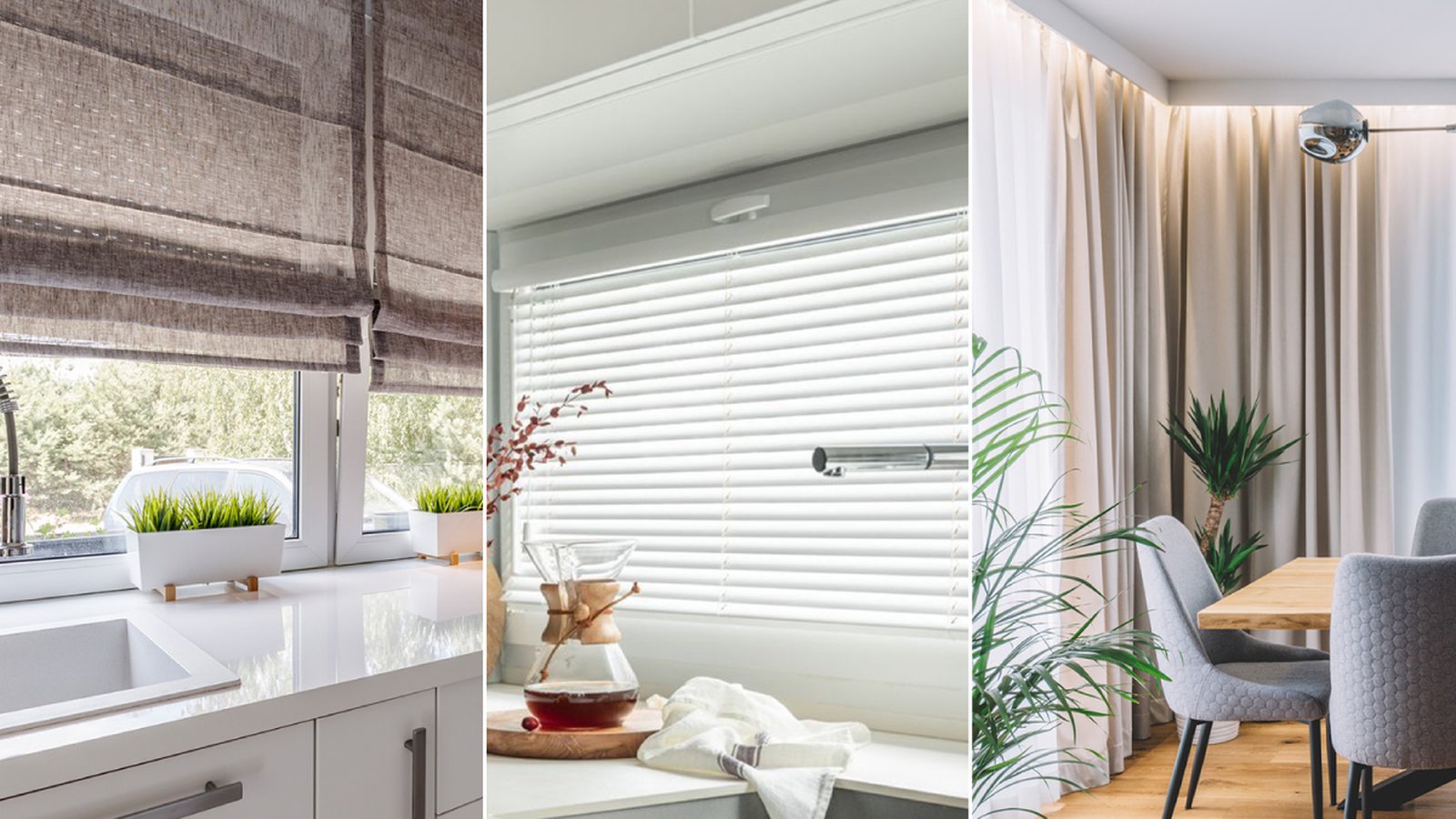
There isn’t one “best” window treatment for every home. Roller shades, blinds, and curtains each win in different situations.
- Pick roller shades when you want clean lines, precise light control, easy maintenance, and a custom look that doesn’t overwhelm a room.
- Pick blinds when you want adjustable slats for view control and you don’t mind a more traditional, horizontal texture.
- Pick curtains when you want softness, dramatic height, layered decor, or you need to hide awkward windows and trim.
World Wide Shades helps homeowners choose the right solution based on the room, sunlight, privacy needs, and budget. If you want the simplest path, use the configurator to compare options for your exact window sizes: Start with the builder.
Roller shades: strengths, tradeoffs, and best rooms
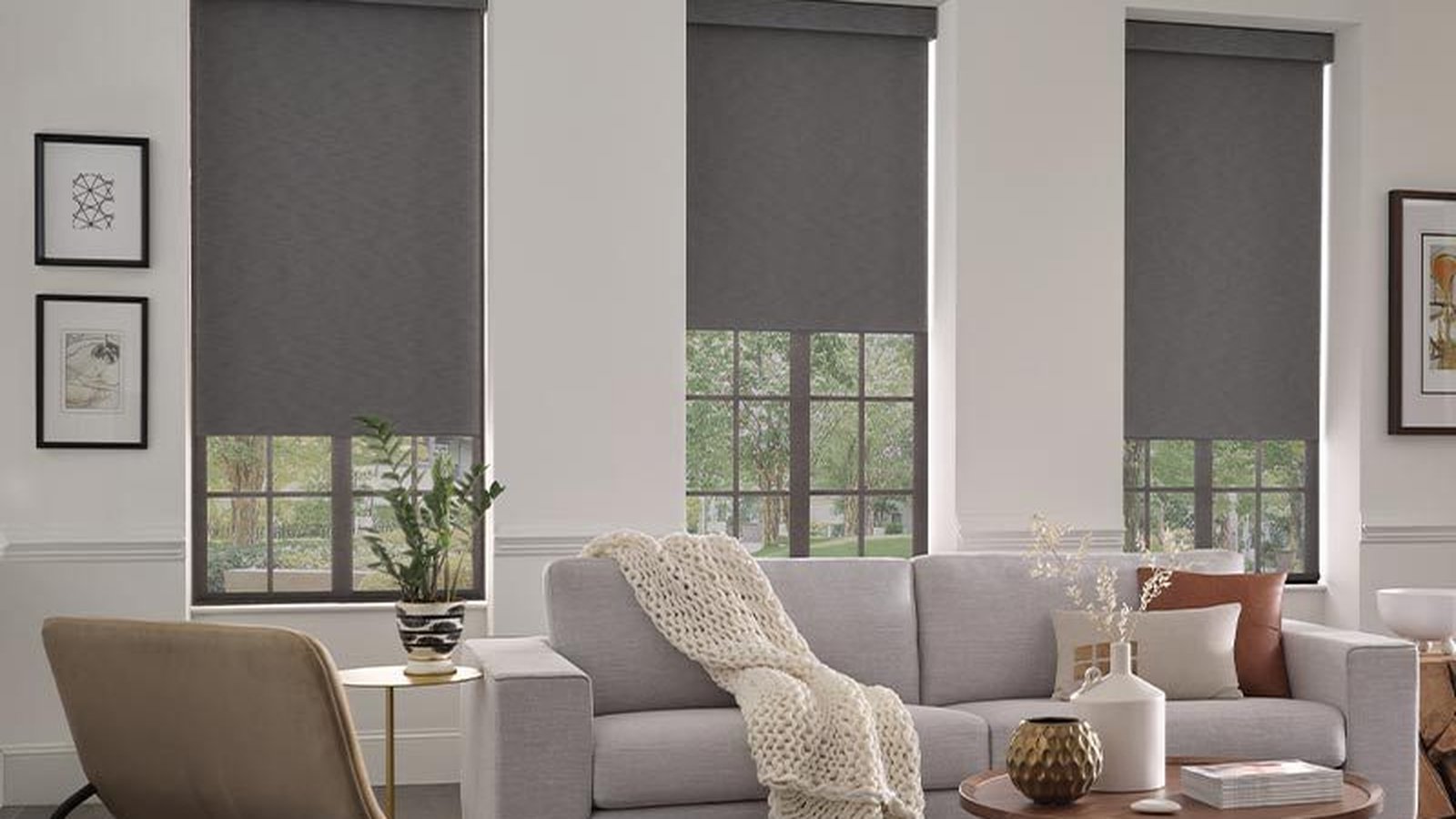
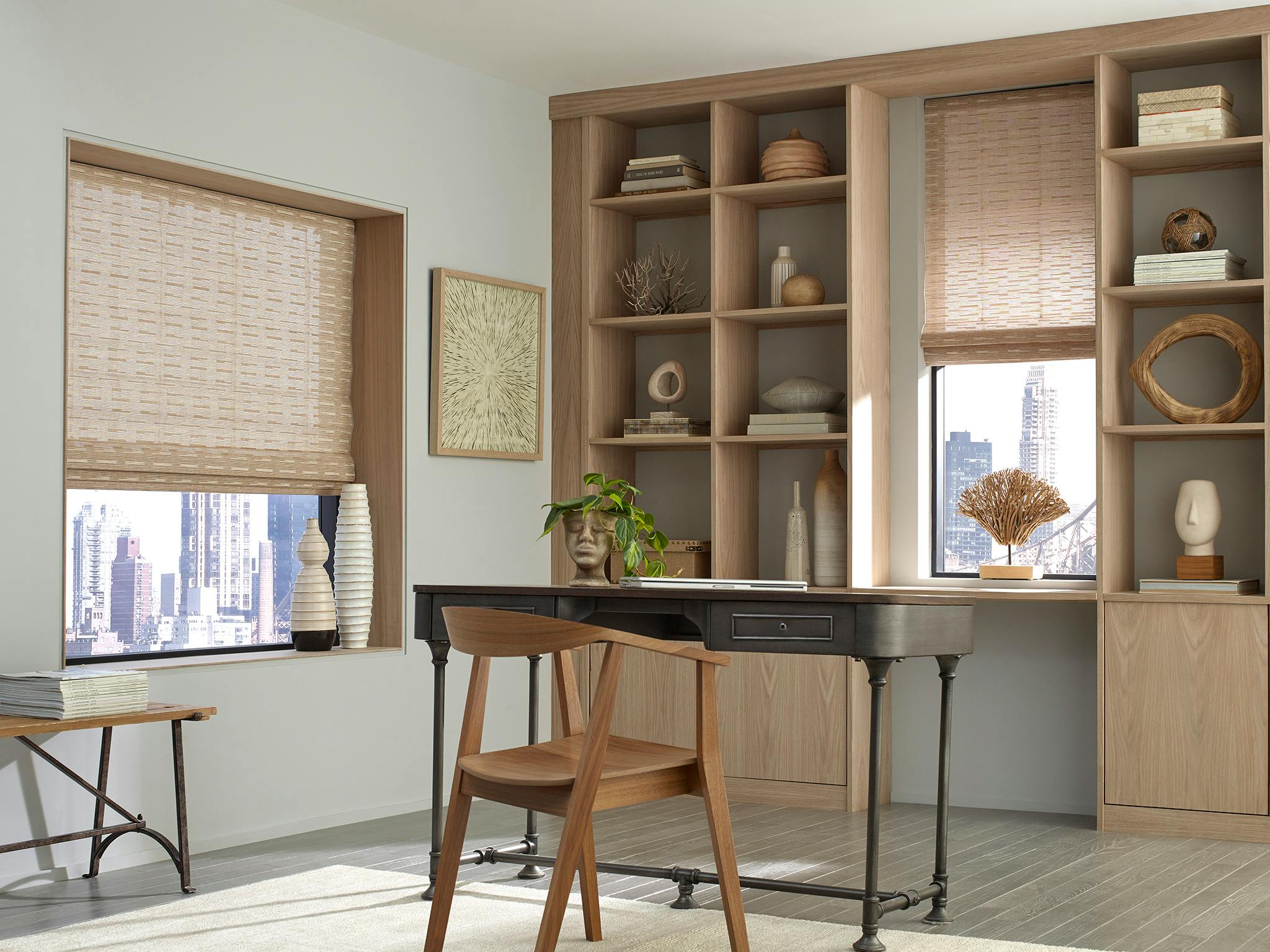
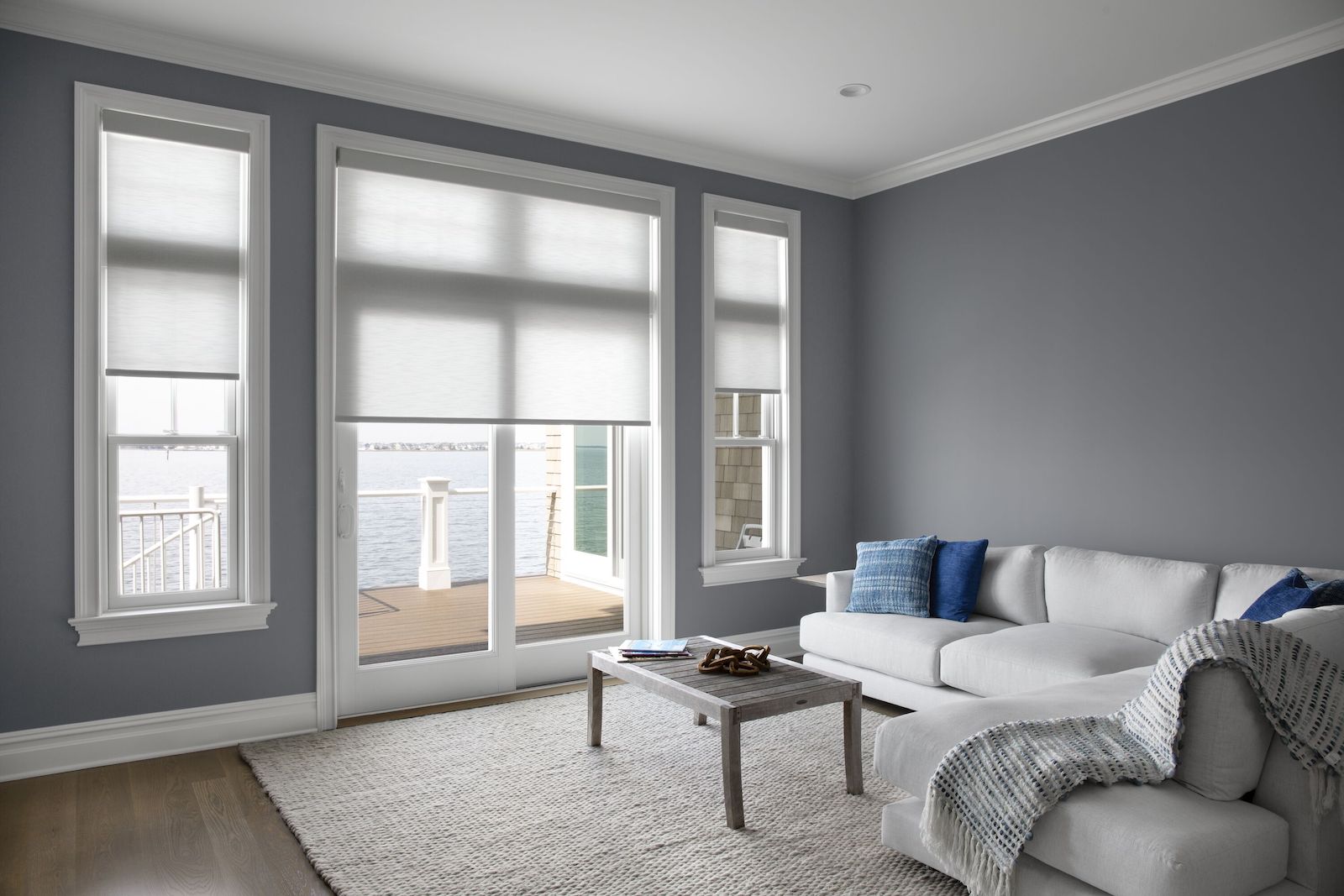
Roller shades are a fabric panel that rolls up neatly onto a tube. They’re popular in modern homes because they look minimal when open and tidy when closed.
- Modern, clean style: no heavy folds, no bulky stack.
- Light control range: solar screen to full blackout.
- Easy to coordinate across rooms: one “language” of window treatment.
- Great for large windows and sliding doors: fewer pieces, fewer gaps.
If you have big openings, read roller-shades-for-large-windows and roller-shades-for-sliding-glass-doors to see what works.
- No slat angle control: you’re choosing “up/down” positioning rather than tilting.
- Light gaps depend on mount: inside mounts can allow side light for blackout needs.
For the mount decision, see inside-mount-vs-outside-mount-shades.
If you want a sleek upgrade that gives you two fabrics in one window (day and night), you may also like dual-roller-shades-day-night.
Blinds: strengths, tradeoffs, and best rooms
Blinds use horizontal or vertical slats that tilt and raise/lower.
- View control: tilt slats to block glare while keeping some view.
- Traditional look: great for homes with classic trim and millwork.
- Good in humid rooms (with the right material): faux wood or aluminum can work well.
- More surfaces to dust: slats collect dust and require more frequent cleaning.
- More visual texture: can feel busy in minimalist spaces.
- Can rattle or shift with airflow: especially in high-traffic doors.
If you’re thinking about moisture-prone rooms, compare ideas in roller-shades-kitchen-bathroom.
Curtains: strengths, tradeoffs, and best rooms
Curtains (or drapes) are fabric panels that stack to the sides and add softness to a space.
- Design impact: adds color, pattern, and texture.
- Makes ceilings feel higher: when hung properly above the window.
- Layering flexibility: combine with shades for a designer look.
- They take up space: the stack can cover part of the window.
- Cleaning: many fabrics require special care or dry cleaning.
- Light leaks: even “blackout” curtains can let light in around edges.
For a clearer blackout comparison, read blackout-curtains-vs-blackout-shades.
Comparison table: roller shades vs blinds vs curtains
Use this as a practical cheat sheet.
- Roller shades: excellent if you choose the right fabric; best for “softened light” or true blackout.
- Blinds: excellent for angle-based control; good for glare while keeping view.
- Curtains: varies; best for soft diffusion and room mood.
- Roller shades: excellent with privacy or blackout fabrics.
- Blinds: strong daytime privacy with tilt; nighttime privacy depends on gaps and tilt position.
- Curtains: strong if lined; weaker if sheer.
- Roller shades: strong with the right fabric; especially helpful for heat and UV control.
- Blinds: moderate; depends on material and fit.
- Curtains: strong insulation when heavy and well-lined.
If energy is your priority, compare energy-efficient-window-shades and best-shades-south-facing-windows.
- Roller shades: wipe or vacuum gently; fewer surfaces.
- Blinds: more frequent dusting.
- Curtains: periodic washing or dry cleaning.
For care tips specific to shades, see how-to-clean-roller-shades.
- Roller shades: minimal and modern.
- Blinds: more traditional or utilitarian.
- Curtains: soft, layered, decorative.
If you’re keeping up with new styles, check window-shade-trends-2026.
Room-by-room recommendations (what we typically suggest)
Here’s how many homeowners decide when they take a room-first approach.
For bedrooms, light control and sleep quality matter most.
- Choose blackout roller shades for clean darkness and easy daily use.
- Add curtains if you want softness or a “hotel” look.
Start with best-window-shades-bedroom and then price your setup with World Wide Shades: Build bedroom shades.
Living rooms need glare control, privacy at night, and a style that fits the space.
- Choose light-filtering or solar roller shades for daytime.
- Add a second layer (dual shades) or curtains if you want more flexibility.
If you’re optimizing a main living area, read best-roller-shades-living-room and then explore fabrics: Order swatches.
Glare control is the big one. Roller shades are often the easiest win.
See best-shades-home-office-zoom and consider a UV-focused fabric from World Wide Shades: Shop swatches.
These spaces need moisture-friendly materials and easy cleaning.
Roller shades can work well here if you choose the right fabric. Start with roller-shades-kitchen-bathroom and contact World Wide Shades if you need guidance for a tricky window: Contact us.
Safety and sleep come first.
Read child-safe-window-treatments and blackout-shades-for-nursery, then build a cordless or motorized option with World Wide Shades: Start building.
Cost breakdown: what you’re actually paying for
Pricing varies widely, but it usually comes down to three things: size, materials, and how custom the fit is.
- Fabric type (solar, light-filtering, blackout)
- Lift (corded vs cordless vs motorized)
- Hardware and finish choices
For a deeper pricing guide, see how-much-do-custom-roller-shades-cost.
- Material (wood, faux wood, aluminum)
- Slat size and quality
- Custom sizing
- Fabric yardage (taller and wider means more fabric)
- Lining and blackout layers
- Hardware (rods, rings, tracks)
If you’re comparing custom vs big-box quality, you may also like custom-roller-shades-vs-home-depot.
Custom fit: why it matters more than people expect
A beautiful fabric won’t look right if the shade doesn’t fit the window.
- Inside mount looks built-in and clean.
- Outside mount can cover trim and reduce light gaps—especially for blackout.
If you’re ordering shades, use how-to-measure-windows-for-roller-shades before you buy. If you want help verifying measurements, call World Wide Shades at (844) 674-2716 or reach out here: Get measurement help.
Motorization and smart homes: where shades beat blinds and curtains
Motorization is one area where roller shades often feel like the most natural upgrade.
- Schedule shades to open at sunrise.
- Close automatically during peak heat hours.
- Control hard-to-reach windows.
To explore smart compatibility, read motorized-shades-alexa-google-home and smart-home-motorized-shades-setup.
Want to talk through options? World Wide Shades can help at (844) 674-2716, or you can request a quote: Contact us.
FAQ: choosing between roller shades, blinds, and curtains
Sometimes, but not always. Basic off-the-shelf blinds can be inexpensive, while custom roller shades can vary depending on fabric and lift type. The real comparison is value: fit, performance, and how long you’ll be happy with the look.
Yes—if you choose a privacy fabric or blackout fabric. Solar screens designed for daytime glare control can feel less private at night when interior lights are on.
Roller shades are typically the simplest because they’re one continuous surface. Blinds have many slats, and curtains often require washing or dry cleaning.
Blackout roller shades are usually the most direct route to darkness. If you prefer curtains, you’ll want lined, well-fitted blackout drapes. Compare details in blackout-curtains-vs-blackout-shades.
Absolutely. Many homes use roller shades in high-function areas (bedrooms, offices) and add curtains in living spaces for softness. The key is keeping a consistent palette.
Pick with confidence (and get the right fit)
If you’re choosing between roller shades, blinds, and curtains, start with the room’s job: privacy, glare control, sleep, or style.
World Wide Shades can help you pick a solution that looks intentional and performs every day. Use the configurator to compare options and get started: Build your window treatments.