Why accurate measuring matters more than you think
Roller shades look simple, but getting the fit right is what makes them look custom. A shade that’s even slightly too wide can rub, bind, or refuse to roll evenly. A shade that’s too narrow can leak light, show gaps, and look unfinished.
Accurate measuring is also the difference between a smooth installation day and a frustrating return or remake. If you’d rather have an expert double-check everything, start with the World Wide Shades Design Builder to plan your shades and get guidance as you go.
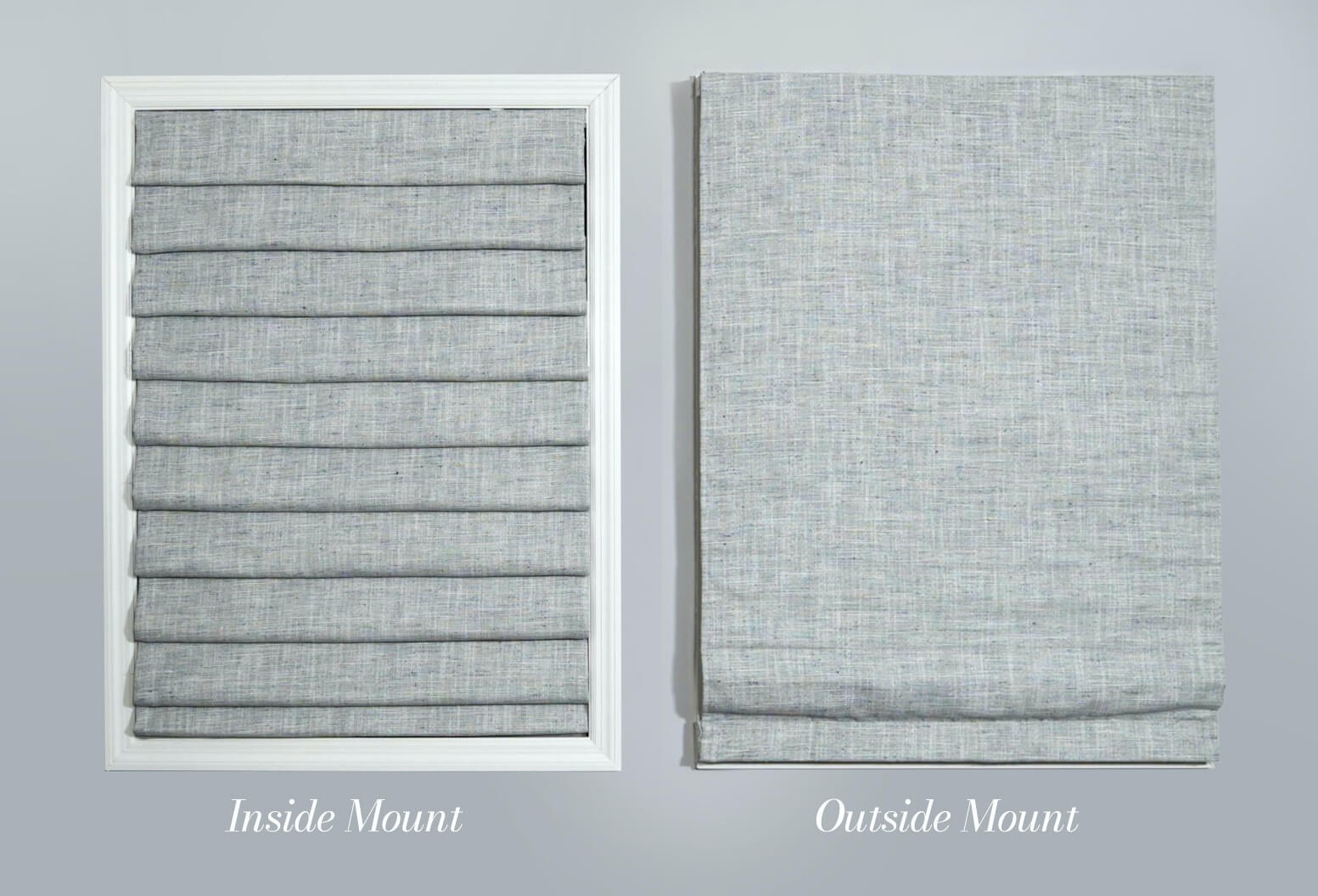
You’ll see “inside mount” and “outside mount” referenced throughout this guide. If you want a deeper comparison, read our post on inside mount vs outside mount shades as well.
Tools you’ll want before you start
Before you measure, grab a few basics. These small details are what keep measurements consistent from window to window.
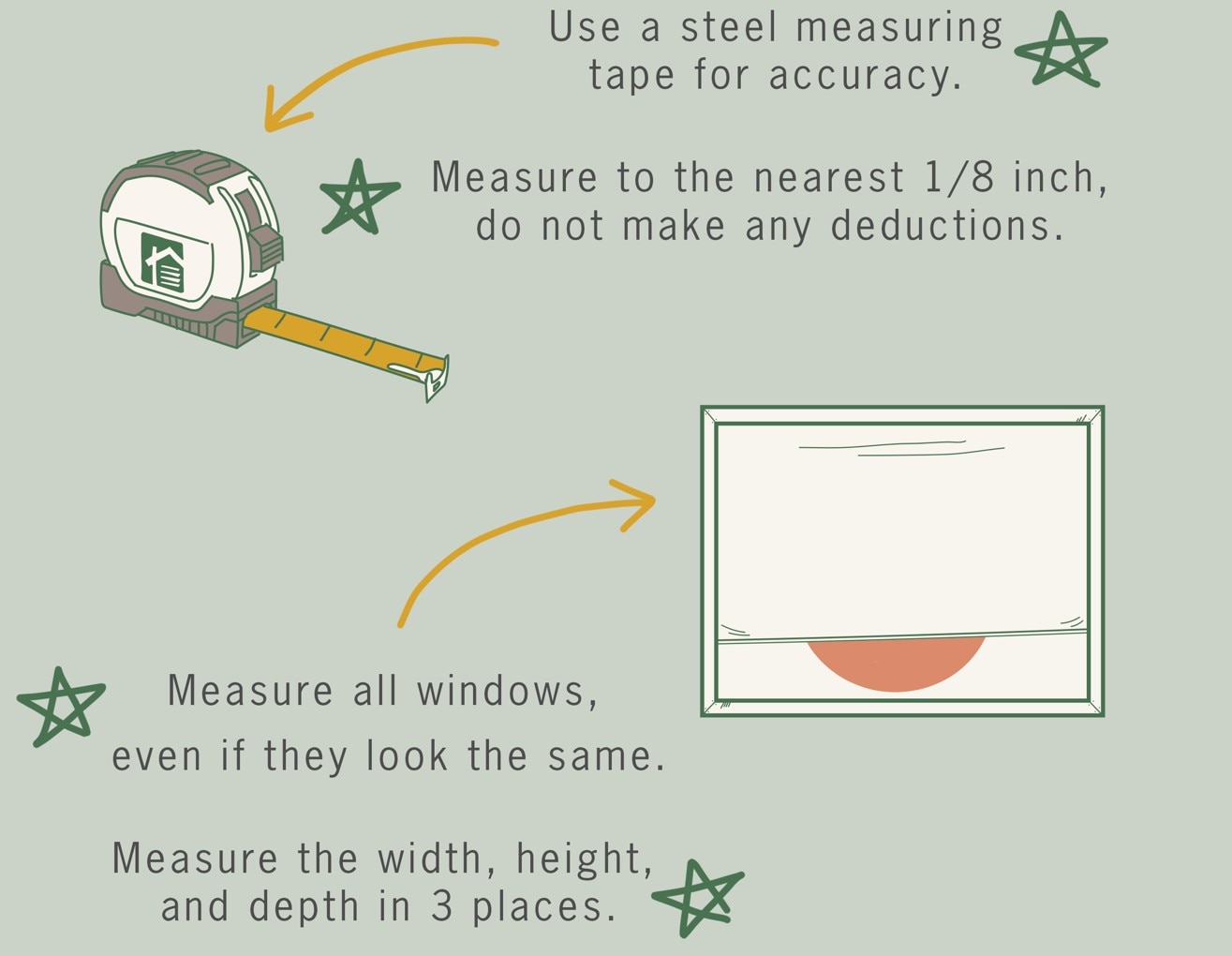
- Steel tape measure (not a soft sewing tape)
- Pencil and paper (or a notes app)
- Step stool for tall windows
- Small level (optional, but helpful)
- A straight edge (for checking depth)
- Painter’s tape (to label windows if you’re measuring many rooms)
If you’re unsure what you’re measuring for, browse fabric and openness options on our swatch request page before you lock in your specs.
Step 1: decide inside mount or outside mount first
Measuring changes depending on how you plan to install.
Inside mount is popular because it looks clean and built-in. But it requires enough depth and reasonably square window frames.
Outside mount is forgiving. It can cover imperfect trim, block more light, and add visual height.
If you want help choosing, reach out to the World Wide Shades team and tell us what you’re trying to solve (glare, privacy, blackout, or looks). You can also call (844) 674-2716 for quick measuring advice.
Step 2: label each window so measurements don’t get mixed up
If you’re measuring more than one window, assign each opening a name like “Living Room – North Window” or “Bedroom – Left.” Write that label at the top of your notes.
This sounds basic, but it prevents the most common measuring problem: mixing up widths and heights between similar windows.
Step 3: how to measure for inside mount roller shades
Inside mount measuring is all about finding the tightest width and the tallest height.
Measure the width across the inside of the frame in three places:
- Top
- Middle
- Bottom
Write down all three numbers.
Use the smallest width as your final width. That ensures the shade will fit even if the frame narrows slightly.
Now measure the height in three places:
- Left
- Center
- Right
Use the tallest height as your final height. That ensures full coverage.
Inside mount roller shades need enough depth to clear the roller tube and brackets.
- If your window has shallow depth, you may still be able to do inside mount with a bracket that projects outward.
- If depth is limited and you want a cleaner look, outside mount may be the better choice.
If you’re unsure, use the World Wide Shades Design Builder and we’ll help confirm the right approach.
Step 4: how to measure for outside mount roller shades
Outside mount is simpler: you’re measuring the area you want to cover.
A good rule is to extend beyond the window opening:
- 2–3 inches on each side for better light control and privacy
- More extension if you’re trying to reduce light gaps or improve blackout performance
Measure the width of the area you want covered and write it down as your final width.
Outside mount shades usually mount above the window.
- Measure from where you want the shade to start (often a few inches above the trim) down to where you want it to end.
- Consider obstructions like handles, cranks, or furniture.
For blackout goals, plan extra height above the opening to reduce top light leakage.
Need a second set of eyes? Contact World Wide Shades or call (844) 674-2716 and we’ll help you sanity-check your numbers.
Step 5: decide how you’ll handle trim, tile, and obstructions
Real homes have real obstacles. Measuring around them is where custom shades shine.
- If trim is thick, outside mount may need longer brackets so the shade clears the trim.
- If trim is decorative and you want to show it off, inside mount keeps it visible.
Casement cranks and sliding door handles can interfere with shade fabric.
- Outside mount can project out to clear hardware.
- Inside mount can work if hardware doesn’t protrude into the shade’s path.
Tile returns can make inside mount tricky if the frame isn’t consistent.
For room-specific tips, see our guide to roller shades for kitchens and bathrooms.
Step 6: measuring special window types
Not every window is a perfect rectangle. Here are quick measuring approaches that prevent surprises.
Measure the full glass area you want covered, then account for handle clearance and door movement. Our detailed breakdown is in roller shades for sliding glass doors if you’re planning a patio door setup.
French doors are all about clearance and tight tolerances. You’ll usually measure the glass area and confirm that the shade hardware won’t interfere with door handles. See roller shades for French doors for examples.
Skylights have unique constraints (angle, reach, heat). Measuring needs to be extra precise, and mounting often differs. Use our skylight shades guide to plan confidently.
For wide openings, the big questions are stability, fabric behavior, and whether to use one shade or multiple. If you’re planning a large span, read commercial roller shades for offices for hardware and performance context that also applies to big residential windows.
Step 7: common measuring mistakes (and how to avoid them)
Most measurement issues come from a few predictable errors.
If you round up on an inside mount width, you risk a shade that doesn’t fit. Always record to the nearest 1/8 inch if you can.
It happens constantly, especially when windows are close in size. Write “W” and “H” next to every number.
Window frames are rarely perfect. Taking three measurements across width and height prevents the “it looked fine” surprise.
Even a perfect inside mount can show small side gaps because the shade must clear the brackets.
If minimizing gaps is your top priority, consider outside mount or a blackout strategy. Our comparison of blackout curtains vs blackout shades can help you choose what’s realistic for your room.
Step 8: how measuring ties into fabric and light control choices
Measuring isn’t just a mechanical step. It affects how well your shade does its job.
If you want deeper darkness, outside mount coverage usually performs better because it overlaps the opening more.
For more on materials, see best fabrics for roller shades and our deep dive on uv protection window shades.
Light filtering shades are more forgiving, especially in bright rooms. You can explore options and colors on the World Wide Shades swatch page before finalizing.
A shade that fits well reduces heat gain/loss around the glass. Pair accurate measuring with smart fabric choices from our guide to energy efficient window shades.
Step 9: quick measurement examples you can copy
Sometimes a real example makes the process click.
- Widths: 35 1/2, 35 3/8, 35 1/2 → use 35 3/8
- Heights: 58 1/4, 58 1/8, 58 1/4 → use 58 1/4
This ensures the shade clears the tightest point in width and still covers the tallest height.
- Opening width: 60 inches
- Add 3 inches left + 3 inches right → final width 66 inches
- Opening height: 48 inches
- Mount 4 inches above trim and extend to 2 inches below sill → final height 54 inches
If you want help choosing an overlap amount based on light goals, the World Wide Shades Design Builder is the fastest way to get recommendations.
FAQ: measuring windows for roller shades
Use inches with fractions (like 35 3/8). Many custom shade systems are built around 1/8-inch precision.
In many custom workflows, you provide the exact opening width and the shade is made to fit. If you’re unsure what the ordering system expects, use World Wide Shades so we can confirm the right input for your configuration.
That’s normal. Use the smallest inside width and tallest inside height, and consider outside mount if the frame is significantly out of square.
Shallow depth can still work with projection brackets, but outside mount may look better and perform better for light control.
You can gather both sets of measurements (inside opening and desired outside coverage), but it’s best to choose mount early so you don’t order the wrong width.
Next steps: turn measurements into custom shades
Once you have your numbers, you’re ready to choose fabric, light control, and operating style.
- Start customizing in the World Wide Shades Design Builder
- Request fabric and color samples from World Wide Shades
- Talk to a specialist at World Wide Shades or call (844) 674-2716
If you want a smoother install day, bookmark our step-by-step how to install roller shades guide too.