There is a reason woven wood shades have become one of the most requested window treatments in interior design over the last decade. They carry something no painted wall or solid-color fabric can replicate: the raw, tactile character of natural materials — bamboo, jute, sea grass, rattan, and tropical reeds — woven together by hand and fitted to your exact windows. Whether your home leans toward coastal, Scandinavian, bohemian, or clean-lined contemporary, natural woven shades find a way to belong.
At World Wide Shades in The Bronx, NY, we custom-cut and build every shade to your specified dimensions. That matters especially with woven materials, because the organic nature of these fibers means every window deserves its own precise fit. This guide covers everything you need to know before you order: materials, weave densities, liners, mounting options, and how to size them correctly. Browse our natural fiber swatches to see and feel your options before committing.
What Are Woven Wood Shades?
Woven wood shades — also called bamboo shades or natural woven shades depending on the material — are roller or Roman-style window coverings made from natural plant fibers that are woven into a flat panel. The weave creates varying degrees of light filtration simply through the spacing and thickness of the fibers, with no dyes or chemical coatings required for the texture effect.
Standard widths range from 18 inches up to 144 inches for wide picture windows and sliding glass doors. Heights typically run up to 120 inches, accommodating most floor-to-ceiling applications. Custom fabrication — which is what World Wide Shades does — removes the standard-size limitations entirely, so a 47.5-inch-wide bay window is not a problem.
Pricing for a custom woven wood shade from World Wide Shades starts around $85–$120 for smaller windows (up to 36 inches wide) and climbs to $180–$280 for large or specialty sizes depending on material, weave density, and liner choice. That range sits comfortably below what most showrooms charge for the equivalent product, without sacrificing the custom build.
Use our online shade builder to configure your woven wood shades and get an instant price for your exact window dimensions.
Natural Materials: Bamboo, Jute, Grasses, and Reeds
Not all woven wood shades are made the same. The source fiber determines the texture, color range, durability, and light-filtering behavior of the finished product. Here is how the major material families compare.
Bamboo is the most popular choice for good reason. As a grass that matures in three to five years (versus 20–50 years for most hardwoods), it is one of the most renewable building materials on earth. Bamboo fibers are dense and smooth, producing a clean, structured weave that photographs well and holds its shape over time. Colors range from pale blonde to rich honey and deep walnut. Bamboo shades in a tight weave will filter around 60–75% of incoming light without a liner, providing privacy during the day while preserving natural light.
Jute is a softer, looser fiber that originates primarily from South Asia. Jute weaves have a more relaxed, textural quality — almost fabric-like — and tend toward warm tans and earthy browns. Because jute absorbs humidity well, it performs reliably in coastal homes or spaces with variable moisture levels. One trade-off: jute is less resistant to prolonged direct UV exposure than bamboo, so south-facing windows with intense sun may cause some fading over three to five years.
Sea grass and rattan weaves have a tighter, more angular pattern and a slightly reflective quality that catches light differently from bamboo or jute. These materials are dense enough that even an unlined sea grass shade provides meaningful privacy during daylight hours. They are a natural fit for bathrooms, entryways, and anywhere you want privacy without blocking airflow.
Tropical reeds and grasses — such as abaca, ramie, and water hyacinth — produce the loosest, most open weaves in the category. Light passes through freely, creating a dappled, warm effect on interior walls that feels almost like filtered forest light. These are best used in spaces where privacy is less critical: living rooms, sunrooms, or high windows.
Order free swatches from World Wide Shades to handle physical samples of each fiber type in your own space — the difference in texture and light transmission is most apparent in person.
Weave Density and Light Control
The weave density — how tightly the fibers are woven together — is the single biggest factor in how much light a natural woven shade lets through. It is measured loosely in terms of openness, similar to how roller shades handle light filtration.
A tight weave (small gaps between fibers) filters roughly 70–85% of light. During the day you get diffused, warm illumination. At night, with interior lights on, silhouettes will be visible from outside — important to consider for ground-floor bedrooms.
A medium weave filters 50–65% of light. This is the most common choice for living rooms and dining spaces where you want some privacy alongside a warm, textured glow.
An open weave filters only 20–40% of light. These shades function more like decorative panels — gorgeous in a sunroom or on a high window, but not suitable as a primary privacy treatment unless combined with a liner.
If privacy or full light control is a priority, adding a liner is the practical solution. World Wide Shades offers three liner grades: a privacy liner that brings most woven shades to near-room-darkening levels, a blackout liner that eliminates almost all light transmission, and an energy-saving liner that adds a layer of insulation value. That last option pairs particularly well with windows that face north or west — it helps retain heat in winter and reflects radiant heat in summer. For a deeper look at how window coverings affect energy bills, see our post on energy-efficient window shades.
For rooms where maximum darkness is the priority, see our blackout curtains vs. blackout shades guide to understand when a blackout liner on a woven shade is the right call versus a dedicated blackout roller shade.
Choosing the Right Mount: Inside vs. Outside
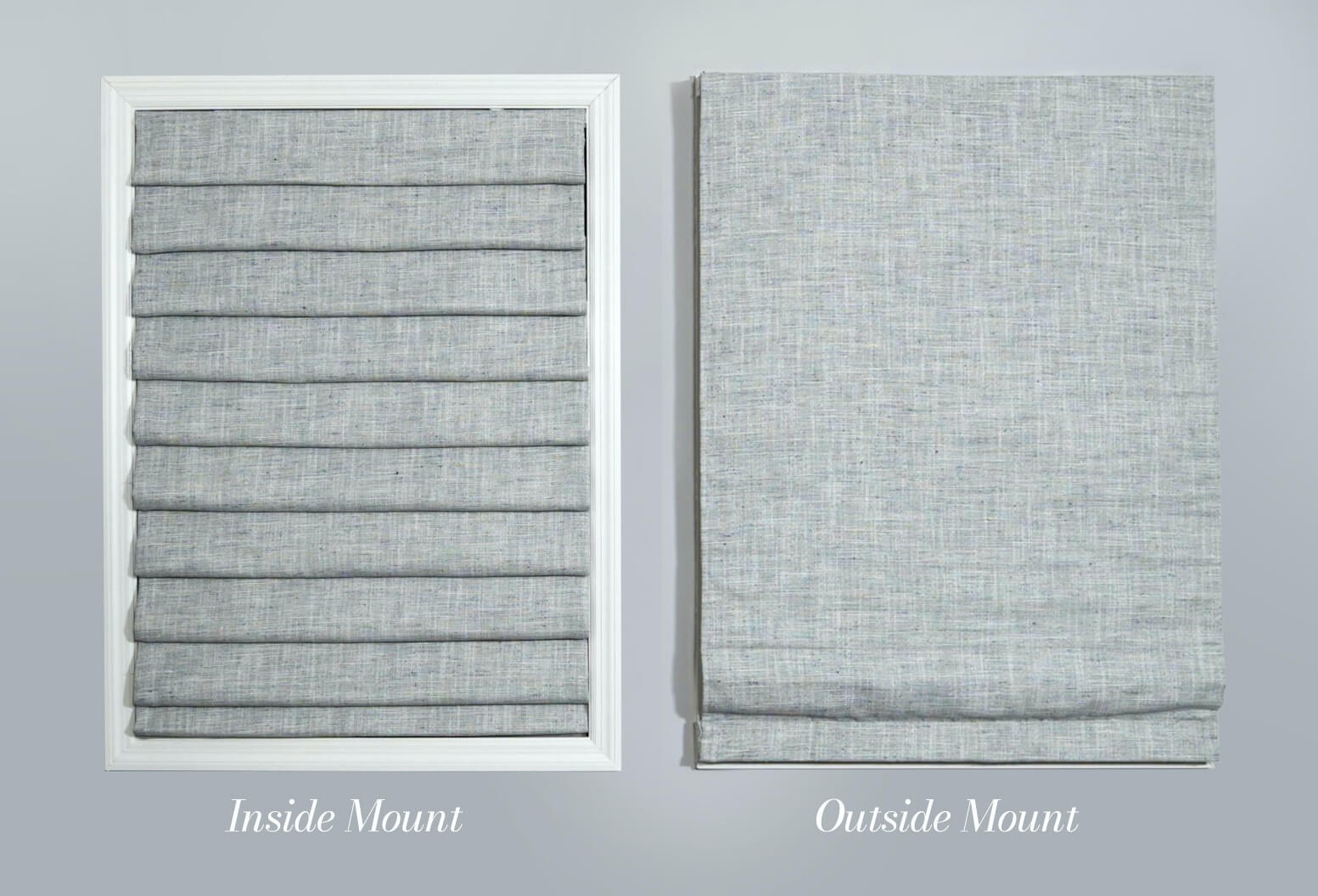
The decision between an inside mount and an outside mount shapes how the finished shade looks in the room, and it affects how you measure. An inside mount sits within the window frame and showcases the architecture of the opening. An outside mount covers the frame entirely — useful for concealing less attractive trim or for making a small window appear larger.
For woven wood shades, inside mounts are particularly popular because they let the natural fiber texture contrast against painted trim. However, inside mounting requires a minimum depth of 2 inches (preferably 2.5 inches or more for a flush mount with no projection). If your frame is shallower than that, an outside mount is the better path.
Our how to install roller shades guide covers the inside vs. outside mount trade-offs in full detail — including how each affects the apparent size of your window — and is worth reading before you finalize your order.
Contact World Wide Shades if you're unsure about your mount type — call (844) 674-2716 and we'll help you assess your window reveal and make the right call before you order.
Operating Systems: Cordless, Motorized, and Loop Chain
Traditional corded lift systems have largely given way to safer, cleaner alternatives. Woven wood shades are available in three primary operating configurations.
Cordless lift systems use an internal spring tension mechanism. You raise and lower the shade by hand, gripping the bottom rail. This is the most popular option for bedrooms and any room with children or pets. It also produces the cleanest visual profile — no hanging cords to break up the natural texture of the shade. Child safety is a genuine concern with window treatments; World Wide Shades covers the topic thoroughly in our post on child-safe window treatments.
Motorized lift via a quiet rechargeable motor — typically charged via USB — is ideal for large shades, shades in difficult-to-reach locations (high windows, skylights), or anyone who wants smart-home integration. Motor units typically add $60–$120 per shade to the cost depending on size and brand. For full integration options, see our smart home motorized shades setup guide.
Continuous loop chain operates with a beaded cord loop that hangs at the side of the shade. This system is common on wider shades (over 72 inches) because it offers more mechanical leverage for heavier woven panels. Cord tension cleats or tie-down devices are recommended when this system is used in rooms with young children.
Get started with a custom quote from World Wide Shades — configure your operating system, liner, and material all in one place with real-time pricing.
Pairing Woven Wood Shades with Interior Styles
Because natural woven shades carry organic texture, they are unusually versatile. They do not visually compete with patterned fabrics the way a bold printed roller shade might. A few pairing principles that work consistently:
In a Scandinavian or minimalist room with white walls and light wood furniture, a pale blonde bamboo shade reinforces the warmth of the wood tones without adding visual clutter. Keep the weave tight for a more architectural feel.
In a coastal or tropical interior with rattan furniture and linen textiles, sea grass or water hyacinth shades add a layer of natural material layering that feels intentional and grounded. Loose weaves work here.
In a mid-century modern space with walnut cabinetry and clean-lined upholstery, a deep honey or walnut bamboo shade in a medium weave complements the wood tones. Pair with a privacy liner in a warm white for a finished look from the street.
In a bohemian room layered with textiles and plants, jute shades with an open weave contribute texture without fighting for attention. They function as a quiet, earthy backdrop.
World Wide Shades has helped New York City homeowners across every design style find the right woven shade — call us at (844) 674-2716 to describe your space and we'll point you to the right materials.
Sizing and Custom Fabrication Details
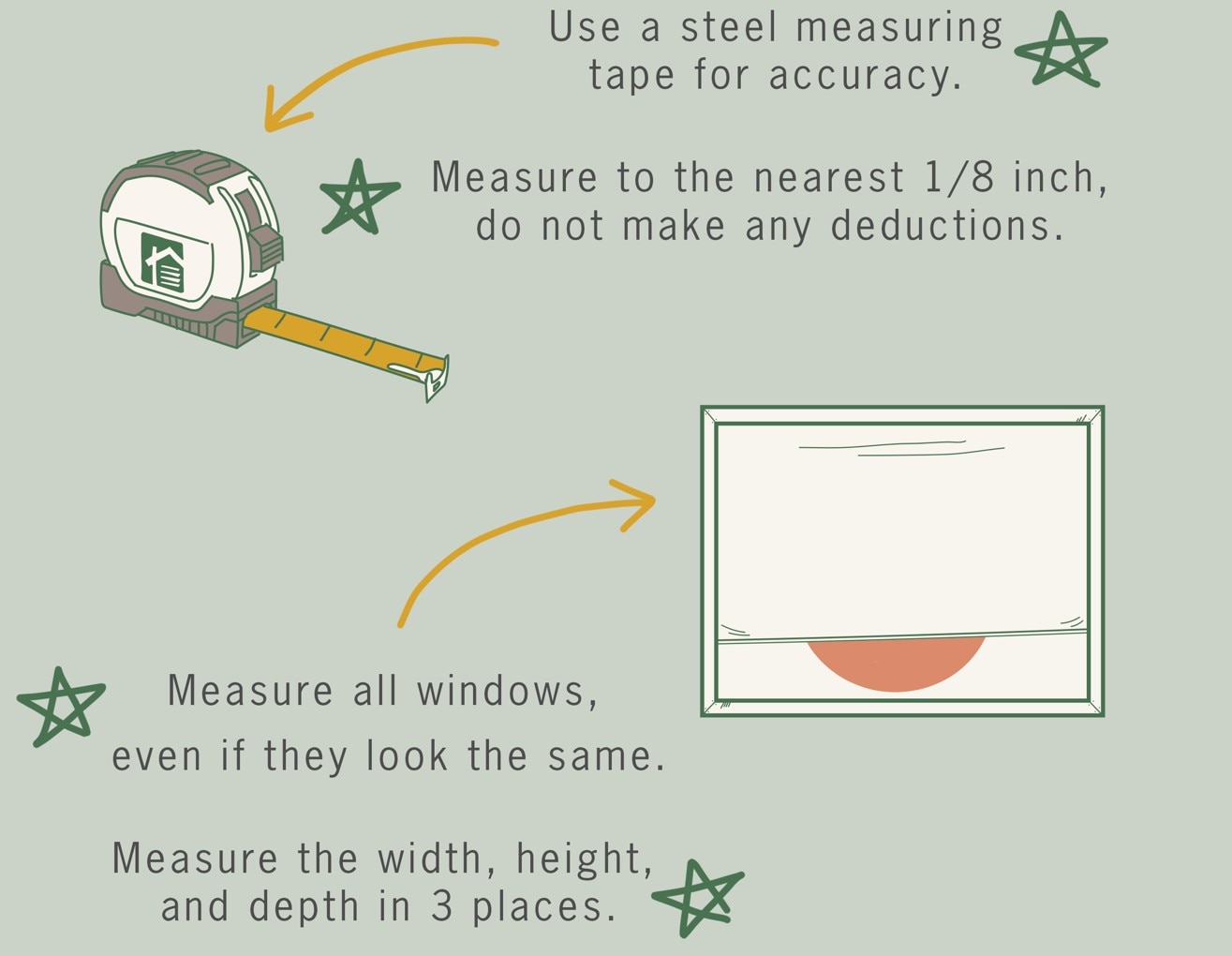
Every woven wood shade we produce at World Wide Shades is cut to your specified width and height. We do not round to the nearest inch — you give us the exact measurement, and we build to it, typically deducting the standard 3/8 inch per side for inside-mount clearance on width.
For height, inside mounts are measured from the top of the window opening to the sill. For outside mounts, measure from where you want the top of the headrail to sit (usually 2–4 inches above the frame) to where you want the shade to end (at the sill, or 2–4 inches below it for full frame coverage).
Standard lead time on custom woven shades is 10–14 business days. Rush orders can often be accommodated for an additional fee — contact World Wide Shades to discuss timeline requirements before you order. If you're coordinating with a larger renovation or new construction move-in, see our guide on custom shades for new construction for timing advice.
If you want to evaluate materials and weave densities before committing, order free swatches from World Wide Shades. Viewing a physical sample in your actual room, under your actual lighting conditions, will tell you far more than any product photo.
Care and Longevity
Natural fiber shades require less maintenance than most people expect, but a few practices extend their life significantly.
Dust regularly with a soft brush attachment on a vacuum or a dry microfiber cloth, moving with the weave direction rather than across it. Avoid wet cleaning unless absolutely necessary — most woven wood materials are not designed to be saturated. For spot cleaning, use a slightly damp (not wet) cloth and blot rather than rub.
Keep woven shades away from direct water exposure. Bathroom and kitchen installations are possible — many of our clients use them in both — but those applications benefit from tighter weaves and a moisture-resistant liner to reduce direct water contact with the fibers. For more on moisture-rated materials for kitchens and bathrooms, see our guide on roller shades for kitchens and bathrooms.
With proper care, a high-quality bamboo or jute shade from World Wide Shades typically lasts eight to fifteen years before the fibers begin to show significant wear. UV exposure is the primary aging factor; shades on south- and west-facing windows in high-sun regions may age faster on the lower portion of the panel.
FAQ
Yes, with some caveats. The key is choosing a tighter weave and pairing the shade with a moisture-resistant liner, which limits how much humidity reaches the fibers directly. Bamboo and sea grass tend to handle occasional moisture exposure better than jute. Avoid placing woven shades directly above a sink or shower where water spray is routine. World Wide Shades can spec the right liner and material combination for your specific bathroom or kitchen setup.
It depends on the weave density. Tight bamboo weaves typically filter 70–85% of light unlined. Medium weaves filter 50–65%. Open-weave materials like water hyacinth and abaca may only filter 20–40%. For near-blackout performance, a lined shade is necessary regardless of the base material. See our light filtering shades guide for a comparison of how woven and synthetic fabrics handle light diffusion.
Absolutely. World Wide Shades offers motorized lift options for woven wood shades of most sizes. The motor mounts inside the headrail and is barely visible. Rechargeable motors are the most popular choice — no wiring required, and a single charge typically lasts several months with normal daily use. Motorization is especially practical for wider shades over 60 inches, where the panel is heavier.
Start with your light control needs, then consider your aesthetic. If you need privacy and light control in a bedroom, choose a tight bamboo weave with a privacy liner. If you want an airy, textural look in a living room where light is welcome, an open jute or grass weave may be ideal. The fastest way to make a confident decision is to order free swatches from World Wide Shades — handling a physical sample in your own light removes most of the guesswork.
Ready to Build Your Woven Wood Shades?
Natural woven shades are one of those window treatments that genuinely improve a room. They bring a material warmth that painted surfaces and solid fabrics cannot replicate, and because every shade is built to your exact window dimensions by World Wide Shades, they fit the way only custom work does. We are based in The Bronx and serve homeowners and designers across all five boroughs and the greater tri-state area.
Use our shade builder to configure your material, weave, liner, and operating system and get an instant price for your windows. Browse the full range of natural fiber materials and weave options at /swatches, or reach out to World Wide Shades directly — call (844) 674-2716 and we are happy to help you work through material choices, mounting decisions, or any sizing questions before you order.