Window Treatments Sloped Ceiling: Custom Shade Ideas & Solutions
Window treatments for sloped ceilings: quick answer
Sloped ceiling window treatments address the unique challenge of covering windows beneath vaulted, A-frame, angled gable, clerestory, and angled ceilings. These architectural features create dramatic spaces filled with natural light, but they also introduce problems: hard-to-reach heights, awkward angles, intense glare, and limited privacy options.
If you're wondering how to tackle these unique window challenges, you're not alone—many homeowners face similar concerns when dealing with sloped or angled ceilings.
The most effective solutions for sloped ceiling windows include vaulted ceiling window treatments such as:
-
Custom roller and solar shades — Precision-cut to exact dimensions for seamless coverage on tall vertical sections
-
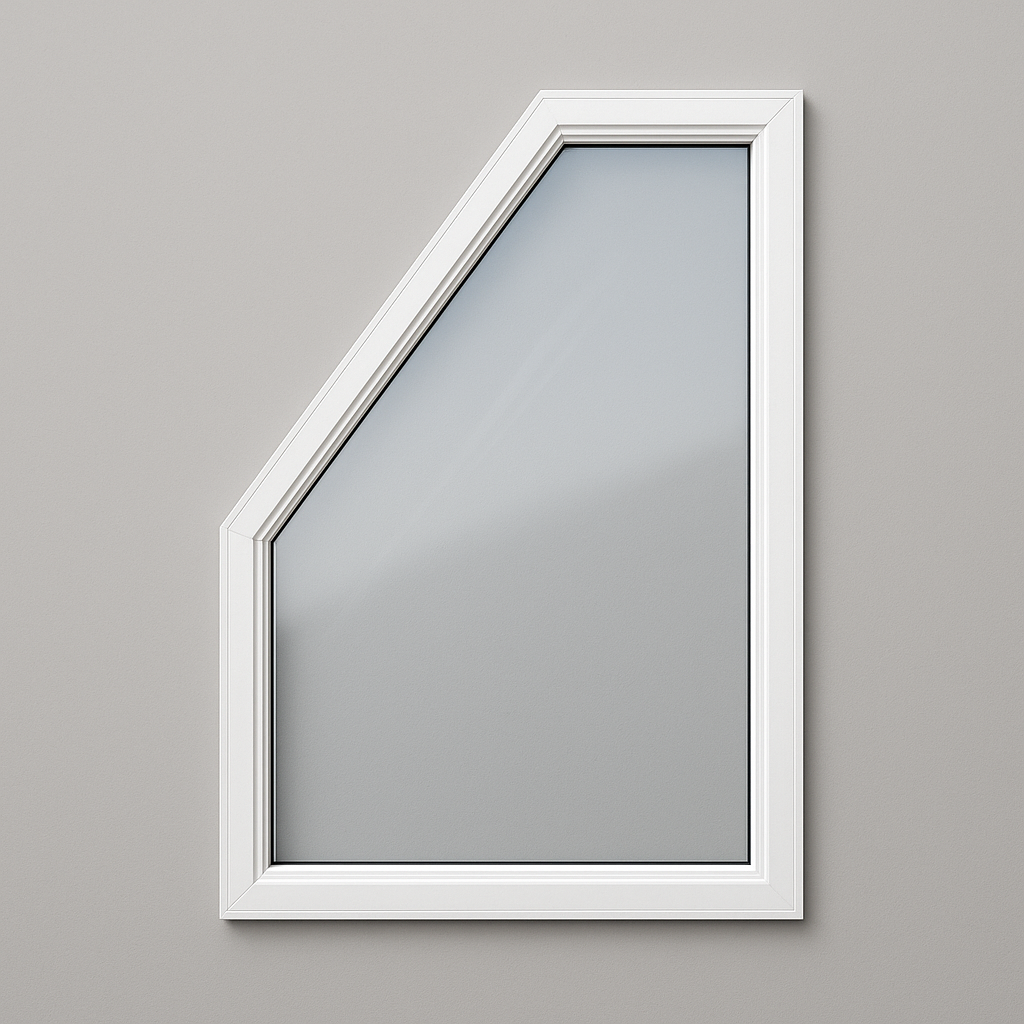
Specialty angled shades — Engineered for triangular, trapezoidal, and sloped window shapes
-
Floor-to-ceiling drapery on ceiling-mounted tracks — Emphasizes height while providing full coverage
-
Layered sheers with blackout options — Combines daytime light filtering with nighttime privacy
-
Motorized shades — Essential for windows above 10-12 feet where manual operation is impractical
Standard ready-made panels and off-the-shelf blinds rarely fit properly on sloped or triangular windows. Trying to hang curtains on sloped or angled ceilings can be especially challenging, often requiring specialized hardware or custom solutions. They almost always leave light gaps at the edges, fail to follow the roofline angle, and look improvised rather than intentional.
For more inspiration, explore window treatment ideas specifically designed for sloped and angled ceilings to find the best fit for your space.
World Wide Shades offers US-made, custom-sized roller and solar shades—including specialty shapes—shipped in under 7 days with free shipping and measurement support. Every shade is cut to the exact 1/8 inch, ensuring a perfect fit for even the most challenging vaulted ceiling windows.
Considering window treatments early in the home design process can enhance both the function and aesthetics of your space.

Understanding sloped ceiling and angled windows
A sloped ceiling window is any window positioned beneath a ceiling that inclines rather than remaining flat. These windows harvest abundant daylight but require specialized treatment approaches that standard horizontal installations cannot provide.
Common configurations include:
-
A-frame fronts — Floor-to-peak glass walls typical in mountain cabins and mid-century chalets
-
Vaulted great rooms — Two-story spaces with banks of windows following the roofline
-
Gable end windows — Triangular or trapezoidal glass at the peak of pitched roofs
-
Angled transoms — Sloped windows positioned above standard rectangular openings
-
Clerestory glass — High windows near the ceiling line designed to bring light deep into the room
Real-world examples are everywhere: 1990s suburban homes with vaulted living rooms, modern farmhouse great rooms built after 2015, loft bedrooms with dramatic A-frame fronts, and attic offices converted into home workspaces after 2020.
These windows behave differently than standard openings:
-
More direct sunlight enters at steep angles, increasing glare on screens and furnishings
-
Heat gain intensifies in summer as solar radiation strikes large glass areas near the roofline
-
Access for manual operation becomes difficult or impossible above 12 feet
-
Cord-operated treatments become impractical or unsafe in tall spaces
Typical shapes designers encounter include trapezoids positioned over sliding doors, triangular fixed panes stacked above standard rectangles, and long skylight bands that follow the pitch of the roof. Each shape requires its own measurement and mounting strategy.
Key challenges with window treatments on sloped ceilings
Sloped ceilings create specific functional, installation, and aesthetic problems that standard window treatment approaches cannot solve.
Functional challenges:
-
Uneven light distribution throughout the day as sun angles shift
-
Intense early-morning or late-afternoon glare that makes rooms uncomfortable
-
Significant heat gain in summer from large, south- or west-facing glass areas
-
Heat loss in winter as warm air rises toward poorly insulated window surfaces
-
Fading of hardwood floors, rugs, and upholstery from prolonged UV exposure
Installation issues:
-
Standard curtain rods won’t sit level when walls angle toward the ceiling
-
Off-the-shelf brackets don’t match ceiling pitch angles
-
Limited wall space above tall windows makes conventional mounting impossible
-
Deep beams and trusses obstruct typical hardware placement
-
Wiring for motorization may be difficult to route through open ceiling structures
Aesthetic problems:
-
Curtains hanging at odd angles look unintentional and poorly planned
-
Visible light gaps appear at triangular tops and along angled edges
-
Treatments that stop short of the ceiling line visually “cut off” the room’s height
-
Mismatched solutions across adjoining windows create visual clutter
Practical and safety concerns:
-
Windows at 16-20 feet are unsafe or unusable with manual cords
-
Building codes in many areas restrict cord lengths on high windows
-
Dust accumulation on hard-to-reach treatments becomes a maintenance challenge
-
Motorization is often the only practical solution for daily operation
Best window treatment options for sloped ceiling windows
Most successful sloped ceiling solutions combine three elements: custom sizing that matches exact window dimensions, the right operating system for the installation height, and sometimes layered fabrics to balance light control with aesthetics.
The main treatment categories for vaulted ceilings include:
-
Custom drapery — Floor-to-ceiling fabric panels that emphasize architectural height
-
Custom roller and solar shades — Clean, minimal solutions for light control and UV protection
-
Blackout options — Specialized fabrics and mounting systems for bedrooms and media rooms
-
Specialty angled shades — Treatments engineered for triangular, trapezoidal, and sloped glass
World Wide Shades specializes in custom shades—roller, solar, blackout, exterior, and specialty shapes—which can be paired with drapery from a local workroom or interior designer. For many projects, homeowners use shades for everyday light control and energy performance while adding decorative drapery panels purely for softness and style.
Custom floor-to-ceiling drapery on sloped ceilings
Full-height drapery emphasizes the drama of vaulted ceilings and works especially well on large glazed walls and two-story windows. When properly installed, custom drapes draw the eye upward and amplify the perceived height of the space.
Hardware solutions for angled installations:
-
Ceiling-mounted tracks — Run level across the space, allowing panels to hang straight to the floor regardless of roof pitch
-
Custom rods with sloped adapters — Follow the pitch of the ceiling for a continuous line
-
Suspension systems — Use drop rods or aircraft cable to hang tracks level under steep ceilings
Ceiling tracks are typically quieter and easier to operate in very tall rooms than traditional rod-and-ring systems.
Fabric considerations:
-
Heavier fabrics with lining provide light control and better insulation in living rooms and primary bedrooms
-
Lighter linen-look panels create an airy feel in great rooms and farmhouse-style spaces
-
Sheer fabrics diffuse glare while maintaining outward views during daylight hours
Design approach:
Keep panels simple—solid colors or subtle textures—so they frame rather than compete with dramatic beams, exposed trusses, or tongue-and-groove ceilings. Complex patterns can overwhelm the architectural features that make sloped ceiling rooms special.
World Wide Shades does not sell drapery, but our shades are frequently layered behind custom drapes specified by designers and contractors for a complete window treatment solution.
Custom roller shades for angled and high windows
Roller shades are a clean, minimal fabric panel that covers the glass and disappears into a small header when raised. They offer a streamlined aesthetic that complements rather than competes with sloped ceiling architecture.
Why roller shades work for sloped ceiling rooms:
-
Low-profile hardware mounts close to the ceiling or inside deep frames
-
Consistent sight lines across multiple windows on the same wall
-
Simple operation via cord, chain, or motorization
-
Minimal stacking space when raised, preserving views
World Wide Shades offers custom roller shades cut to the exact 1/8 inch, with over 700 fabrics including light-filtering, blackout, and solar screen options. While the roller tube itself remains horizontal, roller shades work effectively on tall vertical sections beneath triangular tops, leaving the architectural shape of angled transoms visible.
Ideal room applications:
-
Open-concept living rooms built after 2010 with large glass walls
-
Loft offices and studios with tall ceilings
-
Contemporary townhomes with window walls under sloped roofs
-
Media rooms requiring precise light control

Solar shades for glare control under vaulted roofs
Solar shades are tightly woven screen fabrics designed to reduce glare and UV rays while preserving outward views. They perform exceptionally well in sloped ceiling spaces where large glass areas face south or west.
Performance benefits:
-
Reduce solar heat gain by blocking a significant percentage of incoming radiation
-
Cut UV exposure by up to 99%, protecting hardwood floors, rugs, and furniture from fading
-
Maintain visibility to the outdoors, unlike blackout or heavy drapery options
-
Lower cooling costs in hot climates like Arizona, Texas, and Florida
World Wide Shades solar roller shades are available in several openness factors—1%, 3%, 5%, and 10%—allowing designers to balance view-through and glare reduction based on orientation and local climate conditions. Lower openness percentages block more light and heat; higher percentages preserve more of the view.
Layering strategy:
Pair solar shades on the glass for daily use with decorative drapery panels to soften tall walls and add nighttime privacy. This approach provides the perfect blend of function and aesthetics in great rooms and other high-visibility spaces.
Blackout and room-darkening options for sloped ceiling bedrooms
Primary bedrooms and nurseries with vaulted ceilings often suffer from early-morning light flooding through upper windows, especially during summer months when the sun rises early.
Understanding the difference:
|
Option |
Description |
Best For |
|---|---|---|
|
Blackout roller shades |
Fabric blocks nearly all light through the material |
Windows where frame depth allows tight inside mount |
|
Room-darkening systems |
Blackout fabric + side channels or layered drapery |
Spaces requiring complete darkness with minimal light gaps |
|
Layered blackout |
Blackout rollers behind blackout curtains |
Bedrooms with multiple window types and heights |
Effective strategies:
-
Inside-mount blackout roller shades for standard rectangular sections
-
Ceiling-mounted blackout drapery that stacks to one side when not in use
-
Side channels or tracks to eliminate light gaps around edges
-
Motorization for tall installations where manual operation is impractical
World Wide Shades blackout rollers are frequently paired with motorization in tall spaces, allowing homeowners to darken the room from bed or through a phone app. This combination delivers complete darkness for sleep while maintaining the architectural drama of vaulted ceiling bedrooms.
Order free fabric swatches to compare how blackout versus light-filtering fabrics affect the mood in your own room before committing to a final selection.
Specialty shaped shades for angled and triangular windows
Specialty shaped shades are custom-fabricated treatments engineered to match unusual window outlines: triangles, trapezoids, and slopes that follow the roof pitch.
These solutions address situations where homeowners want full coverage—not just on rectangular lower windows, but also on the triangular clerestory glass or A-frame ends that define the space.
Common applications:
-
Mountain cabins with floor-to-peak glass walls
-
Mid-century A-frame chalets from the 1960s-1970s updated in recent renovations
-
Lake houses with dramatic gable windows
-
Contemporary homes with geometric window arrangements
World Wide Shades offers specialty shape solutions for many angled windows. Complex geometry may require photos and detailed measurements for a design consultation with our support team.
Specialty shapes are always made-to-order, so precise measurement and consultation with our team or a local installer is essential. The investment in professional measurement pays dividends in avoiding costly errors on custom treatments that cannot be returned.
Mounting hardware and track solutions for sloped ceilings
The right hardware is what makes sloped ceiling window treatments look intentional rather than improvised. Hardware selection determines whether treatments hang properly, operate smoothly, and complement the architecture.
Main mounting strategies:
|
Strategy |
Application |
Advantages |
|---|---|---|
|
Ceiling-mounted tracks |
Rooms with minimal wall space above windows |
Allows level installation regardless of ceiling angle |
|
Suspension systems |
Steep ceiling pitches requiring level tracks |
Drop rods or aircraft cables maintain horizontal alignment |
|
Inside-mount hardware |
Deep window frames with square openings |
Clean, minimal appearance |
|
Specialty angled brackets |
Rods following the ceiling pitch |
Creates continuous visual line with architecture |
When to use ceiling tracks:
Ceiling tracks are the preferred solution when little or no wall space exists above the window, or when the slope makes standard curtain rods impossible to level. They accommodate heavy drapery weights without sagging and provide quieter operation than rod-and-ring systems.
Suspension methods:
For very steep ceilings, use drop rods or aircraft cable kits to hang a track level so drapery panels fall straight to the floor. This approach maintains the architectural drama while ensuring treatments function properly.
World Wide Shades roller and solar shades can be installed either inside the window frame or on the wall or ceiling surface, allowing flexibility when dealing with exposed rafters, beams, or limited framing space.
Inside mount vs outside mount on angled walls
Inside mount places hardware within the window frame opening. This approach creates a cleaner, more minimal appearance but requires sufficient frame depth (typically 1.5 inches minimum for roller shades) and relatively square frames.
Outside mount attaches hardware to the wall or ceiling surface above or around the window. This method covers imperfect frame edges, adds visual height, and accommodates shallow or irregular openings.
Selection guidance for sloped ceilings:
|
Scenario |
Recommended Mount |
|---|---|
|
Deep, square trim on lower rectangular windows |
Inside mount |
|
Windows running to the ceiling line |
Outside or ceiling mount |
|
Shallow or minimal trim |
Outside mount |
|
Banks of windows with varying frame depths |
Outside mount for consistency |
|
Beams or rafters near window edge |
Ceiling mount with appropriate clearance |
A simple rule of thumb: if trim is deep and square, start by considering inside mount. If windows run up to the ceiling line or trims are shallow, plan for outside or ceiling mount from the beginning.
Use World Wide Shades measurement guides and support resources to decide the best mount for each window rather than applying a one-size-fits-all approach to an entire room.
Measuring sloped ceiling and angled windows correctly
Accurate measuring matters more for sloped and specialty windows than for standard openings. Errors cannot be hidden easily with trim or adjustment, and custom products have limited return options.
Essential tools:
-
Steel tape measure (minimum 25 feet for vaulted spaces)
-
Sturdy step ladder or extension ladder for high windows
-
Smartphone for photos and notes
-
Helper for tall or awkward locations
-
Level to check frame squareness
Measuring rectangular sections:
-
Measure width at the top and bottom of the opening
-
Measure height at both sides
-
Check frame depth for inside mount compatibility
-
Note any obstructions: beams, sills, handles, or radiators
-
Record whether you’re measuring inside the frame or outside dimensions
Additional steps for angled or triangular windows:
-
Measure the base width at the widest point
-
Measure both side heights from base to the sloped edge
-
Measure the length of the sloped edge if accessible
-
Take clear photos from multiple angles, including one showing the entire window in context
-
Note the direction of the slope (left-to-right or right-to-left when facing the window)
World Wide Shades provides step-by-step online measuring instructions. Designers and contractors can email drawings and dimensions for review before ordering to confirm specifications on complex projects.
When to call a professional installer
Some sloped ceiling projects exceed the scope of a safe or practical DIY project. Professional installation is strongly recommended in these situations:
Red-flag conditions:
-
Ceiling heights over 12 feet requiring tall ladders or scaffolding
-
Windows above stairwells with open railings or limited floor space
-
Complex multi-angle shapes spanning an entire wall
-
Hardwired motorization requiring electrical work
-
Historic homes with unconventional framing
Safety concerns:
-
Working at height on tall ladders without proper equipment
-
Drilling into vaulted ceilings that may conceal wiring, HVAC runs, or structural members
-
Managing heavy drapery or shade assemblies in awkward positions
For new construction, interior designers and architects should integrate shade pockets and blocking into framing plans. This foresight simplifies future installations and reduces costs.
While many World Wide Shades customers install standard roller shades themselves using our guides, we frequently coordinate with professional installers for large vaulted projects. Keep a record of final measurements and photos for future upgrades or when adding motorization later.
Motorized and smart window treatments for high, sloped ceilings
Motorization is especially valuable for vaulted ceilings where windows are hard to reach and light conditions change quickly throughout the day. Manual operation of treatments above 12 feet is impractical at best and potentially hazardous.
Control options:
-
Handheld remotes for simple single-shade or grouped operation
-
Wall switches for permanent, always-available control
-
Smartphone apps for adjustment from anywhere in the home
-
Smart home integration with platforms like Amazon Alexa, Google Home, and compatible automation systems
-
Scheduled automation for sunrise/sunset adjustments
Everyday scenarios: For instance, if you're looking to improve your sleep quality at home, consider choosing from the top blackout window shades of 2025 for optimal light blocking and added comfort.
-
Closing solar shades at 3 PM on a sunny west-facing great room before afternoon glare peaks
-
Lowering blackout shades in a media room before movie night
-
Scheduling shades to open at sunrise and close at sunset automatically
-
Adjusting all shades in an open-plan vaulted space with a single voice command
World Wide Shades offers motorized roller, solar, and blackout shades custom-built to size in the USA, with production times suitable for both residential and small commercial projects.
Practical considerations:
-
Rechargeable battery motors eliminate hardwiring in most retrofit projects
-
Solar-powered options reduce maintenance for hard-to-access locations
-
Guidance available on hiding chargers or power supplies in rooms with open beams
-
Battery life typically ranges from 6-12 months depending on usage frequency

Energy efficiency and comfort in vaulted spaces
Because heat rises, vaulted and cathedral ceilings can make rooms feel drafty in winter and uncomfortably hot in summer without proper window coverings. Large glass areas near the roofline amplify these effects.
Measurable benefits of well-fitted shades:
-
Reduced solar heat gain on south- and west-facing glass
-
Improved retention of conditioned air, lowering heating and cooling costs
-
Decreased dependence on artificial lighting when light-filtering fabrics are used during daytime
-
Protection against UV damage that can fade furnishings and flooring
Solar and light-filtering roller shades cut glare and UV exposure while maintaining views and natural light. This balance is particularly valuable in vaulted spaces where the architecture is designed to connect interior and exterior environments.
Complementary strategies:
-
Ceiling fans to circulate air in two-story great rooms
-
Appropriate HVAC zoning for tall spaces
-
Shade scheduling to respond to sun position throughout the day
High-performance fabrics from World Wide Shades balance comfort, natural light, and views without making vaulted rooms feel closed in or dark.
Design ideas and styling tips for sloped ceiling window treatments
With tall ceilings and angled windows, less is often more. The goal is to complement the architecture rather than hide or compete with it.
Color strategies:
|
Approach |
Effect |
Best For |
|---|---|---|
|
Match shade fabric to wall color |
Understated, cohesive look |
Rooms with beige walls or neutral palettes |
|
Soft contrast (warm white on light oak) |
Subtle definition |
Modern farmhouse or coastal styles |
|
Bold contrast |
Dramatic statement |
Contemporary spaces with minimal other color |
Style-specific recommendations:
-
Modern lofts — Minimal, unadorned solar rollers in neutral tones
-
Coastal A-frames — Textured natural weaves that complement wood elements
-
Classic suburban vaulted living rooms — Soft neutral drapery paired with blackout rollers
-
Contemporary great rooms — Consistent solid fabrics across all window heights
When planning window treatments for sloped ceilings, consider coordinating fabric colors and styles with outdoor features such as a pool to create a cohesive transition between indoor and outdoor spaces.
Use consistent fabrics on all windows within an open-plan vaulted space to avoid visual clutter, especially when clerestory windows sit above standard rectangular openings. Matching across heights creates a unified wall rather than a patchwork of treatments.
Request free swatch kits from World Wide Shades to compare textures and opacities against existing trim, beams, and flooring before finalizing a palette.

Common mistakes to avoid on sloped ceiling windows
Proportion errors:
-
Using short, standard-length curtains under tall ceilings visually “shrinks” the space and looks unfinished
-
Stopping treatments at different heights on adjoining windows disrupts architectural lines
-
Leaving gaps between treatment top and ceiling creates an awkward, incomplete appearance
Coverage gaps:
-
Skipping treatment on upper windows in bedrooms leads to glare and poor sleep, even when lower windows are well covered
-
Failing to account for the full length of sloped edges leaves light gaps at triangular tops
-
Using vertical blinds without proper angled header rails results in leaving gaps at the top
Quality and durability issues:
-
Cheap, non-custom blinds bow or warp under intense sun, especially in high south-facing A-frame windows
-
Lightweight rod systems sag under heavy drapery in tall installations
-
Standard mounting hardware fails on angled surfaces
Future-proofing oversights:
-
Not planning electrical or outlet access for motorization during remodels
-
Failing to document measurements for future shade replacement or additions
-
Skipping consultation on specialty shapes, leading to ordering errors
Maintenance and longevity of window treatments for sloped ceilings
Proper maintenance is key to ensuring your window treatments for sloped ceilings remain both beautiful and functional for years to come. Vaulted ceiling windows, angled windows, and tall ceilings present unique challenges, but with the right care, your custom drapes, roman shades, vertical blinds, and custom curtains can continue to deliver the perfect blend of style, light control, and energy efficiency.
Routine cleaning for lasting beauty:Dust and dirt can quickly accumulate on window treatments, especially in hard-to-reach areas near the ceiling. For custom drapes and roman shades, use a soft-bristled brush or a lint roller to gently remove surface dust. Vertical blinds can be wiped down with a microfiber cloth, while sheer fabrics benefit from occasional light vacuuming with a brush attachment. For deeper cleaning, spot-treat stains with a mild detergent and water—always test a small, hidden area first to avoid damaging delicate fabrics.
Regular inspections for smooth operation: Sloped ceiling window treatments often rely on custom rods, tracks, or motorized mechanisms. Periodically check for frayed cords, loose brackets, or worn components, especially on motorized shades and blackout curtains. Addressing minor issues early prevents bigger problems down the road and ensures your treatments continue to provide effective light control and better insulation.
Protecting against direct sunlight:Direct sunlight streaming through vaulted ceiling windows can cause fading, discoloration, and even fabric deterioration over time. To minimize damage, consider layering sheer fabrics with blackout curtains or using custom shutters for angled windows. These solutions not only filter harsh rays but also help maintain energy efficiency by reducing heat gain and loss. Custom rods and perfectly fitted treatments help eliminate light gaps, further protecting your interiors.
Extending lifespan with smart choices:Opting for high-quality, custom solutions—like motorized shades, custom shutters, and durable fabrics—pays off in longevity and performance. Motorized shades, in particular, are an effective option for tall ceilings, as they reduce wear from manual operation and make regular use easy. If you’re tackling a DIY project, follow manufacturer guidelines for installation and maintenance, and don’t hesitate to consult a professional for complex or high-up installations.
Why choose custom shades from World Wide Shades for sloped ceilings?
World Wide Shades delivers the precision and quality that sloped ceiling windows demand:
Core benefits:
-
True custom sizing for every window, including unusual widths, extra-tall drops, and specialty shapes
-
US manufacturing with consistent quality control
-
Fast turnaround—designer-grade roller shades often ship in under 7 days
-
Over 700 fabric options: solar, light-filtering, blackout, and exterior-grade materials
Customer experience:
-
Free shipping within the USA on all orders
-
Free swatch samples to evaluate fabrics in your actual lighting conditions
-
Comprehensive measurement guides and installation resources
-
Expert support via phone and email for complex projects
Professional services:
World Wide Shades works with interior designers, architects, and contractors on B2B projects including vaulted great rooms, boutique hotels, restaurants, and office atriums. Our team understands the coordination required for commercial specifications and multi-window installations.
Getting started is simple:
-
Order free swatches in fabrics that interest you
-
Measure one sloped ceiling window using our guides
-
Contact our team to discuss your complete project
-
Receive custom shades designed and manufactured for your exact specifications
Conclusion: making sloped ceiling windows work for you
The right custom treatments transform sloped ceiling windows from a glare and privacy problem into the defining feature of your room. Rather than fighting the architecture, well-planned window treatments emphasize the height, drama, and natural light that make vaulted spaces special.
The most successful approaches combine custom roller and solar shades for daily light control, blackout solutions for bedrooms and media rooms, appropriate hardware or ceiling-mounted tracks, and motorization for high windows where manual operation is impractical. Each element works together to create a cohesive, functional result.
Off-the-shelf products rarely solve angled windows cleanly—they leave gaps, hang improperly, and look like afterthoughts. Custom shades from World Wide Shades are designed to fit, function, and last in any architectural configuration, from simple vaulted living rooms to complex A-frame walls with multiple window shapes.
Explore fabrics, order free swatches, and use World Wide Shades’ guidance to create window treatments tailored to your specific sloped ceiling space. Whether you’re a homeowner tackling a single room or a design professional specifying treatments for an entire project, our team is ready to help you find the effective option that brings your vision to life.