
Gable Window Blinds: Custom Made-to-Measure Solutions for Triangular & Apex Windows
Gable windows create some of the most striking architectural moments in modern homes—soaring triangular glass that floods interiors with natural light and frames outdoor views. But these same windows present a practical challenge: how do you control light, heat, and privacy on a surface that standard window blinds simply cannot fit?
This guide covers everything you need to know about gable window blinds, from construction types and fabric options to operation systems and precise measurement. Whether you’re a homeowner tackling a loft conversion or an architect specifying shading solutions for a new build, understanding how custom gable blinds work will help you make an informed decision for your project.
What Are Gable Window Blinds? (Quick Answer for Search Intent)
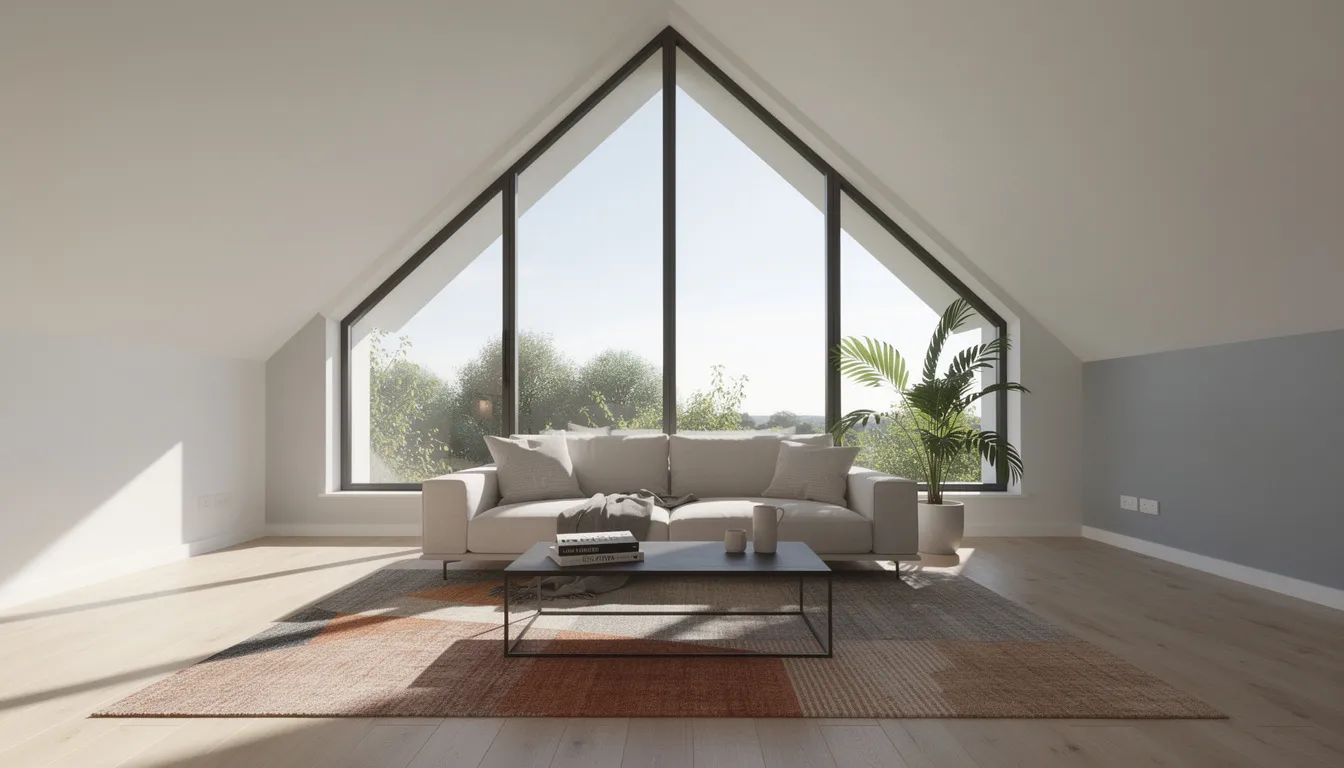
Gable windows are the triangular or apex-shaped windows found at the ends of pitched roofs, typically positioned in the pointed section where two sloping roof planes meet. These windows appear frequently in lofts, great rooms, A-frame homes, conservatory extensions, and two-story foyers—anywhere architects want to maximize glazing and create dramatic vertical space.
Gable window blinds are custom window coverings designed specifically to fit these angled frames. Unlike fixed decorative panels or static treatments, gable blinds are fully operable: they can raise, lower, open, and close along sloped or triangular profiles. This functionality allows homeowners to control light and privacy on demand rather than permanently blocking part of the glass.
The most common use cases for blinds for gable windows include large glazed gable ends in vaulted living rooms, bedrooms with loft-style ceiling peaks, sunrooms with full-height glass walls, and two-story foyers built after 2000 in the US where open floor plans and oversized windows have become standard. At World Wide Shades, window blinds are made-to-measure in the USA, using scaled templates that follow the exact angles and dimensions of each unique window shape.
Three primary benefits define well-designed gable blinds: precise light control for managing glare and brightness throughout the day, privacy at height for windows that may be visible from neighboring properties or public areas, and improved temperature and UV management for large glass areas that would otherwise overheat in summer or lose warmth in winter.
Benefits of Gable Window Blinds for Modern Homes
Gable ends are dramatic architectural features, but they are also notoriously difficult to shade. Without proper window blinds, these large glass surfaces can turn a room into a greenhouse in summer or a fishbowl at night. Well-designed gable blinds transform these challenging windows into comfortable, usable spaces year-round.
Sun and glare control: South- and west-facing gable windows receive intense direct sunlight for hours each day. Gable blinds allow you to reduce glare on screens, protect eyes from harsh light, and create a more balanced ambient brightness in the room—especially important in open-plan spaces where the gable is visible from multiple areas.
Heat gain reduction: Large unshaded glazing can raise indoor temperatures significantly during summer months. Gable blinds with solar or reflective fabrics block a substantial portion of solar heat before it enters the room, reducing the load on air conditioning systems and improving overall comfort.
Improved insulation: In winter, the same large glass areas that overheat in summer become sources of heat loss. Cellular honeycomb gable blinds trap air in their fabric structure, adding an insulating layer that helps maintain consistent room temperatures and reduces energy costs.
UV protection: Prolonged UV exposure fades floors, furniture, and artwork. Gable blinds filter or block UV rays, extending the life of interior finishes and furnishings—particularly valuable in rooms with hardwood, rugs, or upholstered pieces positioned near the window.
Privacy for high, overlooked windows: In urban townhomes, lakeside cabins, or hillside properties, gable end windows can be visible from neighboring buildings or public areas. At night, when interior lights are on, unshaded gable windows reveal everything inside. Gable blinds provide privacy without sacrificing daytime views or architectural character.
Architectural preservation: Fully retractable gable blinds maintain the wow factor of dramatic glazing when open. Unlike fixed panels, curtains, or permanent tints that block part of the glass at all times, operable gable blinds allow you to achieve an unobstructed view when shading is not needed, then cover the window completely when it is.
Practical comfort throughout the home: In vaulted great rooms, gable blinds reduce screen glare on televisions and monitors. In loft bedrooms, blackout gable blinds create darkness for better sleep. In open-plan spaces, consistent shading across all windows—including the gable—helps maintain stable temperatures and eliminates hot spots.
Types of Gable Window Blinds & Shade Materials
Gable blinds are almost always custom-built to match the specific angles and dimensions of each window. The “type” refers to both the shade construction—how the blind is built and operates—and the fabric—what material covers the window and determines light transmission.
Pleated Gable Blinds
Pleated shades use a zigzag-folded fabric that collapses into a compact stack when raised. For gable and apex windows, pleated blinds are an excellent choice because they adapt well to irregular angles and smaller triangular shapes. When fully open, the fabric stacks neatly at the head rail, leaving the glass clear. Pleated gable blinds are typically cordless for child safety and suit both inside and outside mount installations.
Cellular (Honeycomb) Gable Blinds
Cellular shades—also called honeycomb blinds—feature a distinctive structure with one or more layers of air pockets formed by the fabric. These air pockets act as insulation, trapping heat in winter and blocking it in summer. For gable end windows in hot or cold climates, cellular blinds offer the best thermal performance of any fabric shade type. They are particularly suited to large glazed gable ends where energy efficiency is a priority. Cellular gable blinds can be configured for top-down or bottom-up operation and retract cleanly to minimize visual obstruction.
Specialty Roller and Track Systems
For tall apex windows in contemporary homes, custom roller-based systems provide a sleek, minimal appearance. These shades operate on guided side cables or discreet channels that keep the fabric taut as it moves along sloped edges. Roller blinds work best on gable windows with symmetrical profiles and are often motorized for high or hard-to-reach installations. While standard roller blinds suit smaller rectangular windows, specialist blinds with side-guide hardware are required for larger or more complex gable shapes.
Fabric Options for Gable Blinds
Fabric selection determines how much light passes through, how much heat is blocked, and how much privacy is provided. Three main categories apply to gable blinds:
Solar fabrics (1%, 3%, 5% openness) reduce glare and heat while preserving outward views during daylight hours. They are ideal for gable windows overlooking scenic landscapes, city skylines, or water features where maintaining the view is essential. Light-filtering fabrics soften incoming daylight and create a diffused glow without complete blackout—suitable for living rooms, dining areas, and spaces where natural light is valued but direct sun is not. True blackout materials block nearly all incoming light and are designed for bedrooms, nurseries, and media rooms where darkness is required for sleep or screen viewing.
For a west-facing vaulted living room where afternoon sun creates intense glare, a solar fabric gable blind controls heat and brightness while keeping the view visible. For a loft nursery where sleep quality matters, a blackout cellular gable blind in a room-darkening fabric delivers near-total darkness.
Operation Options: Manual, Electric & Smart Gable Blinds
Gable blinds are fully moveable window coverings. Unlike fixed architectural elements, they can open, close, raise, and lower from floor level—even on very high or steeply angled windows.
Manual Operation
For gable windows within easy reach—typically those in low loft triangles above standard rectangular windows—manual operation is practical and cost-effective. Bottom-up or top-down motion is controlled via pull cords, continuous loops, or wand controls. Cordless systems are also available, using a spring-assist mechanism that holds the shade at any position. Manual gable blinds are a great option for smaller triangular windows or installations where daily adjustment is infrequent.
Motorized Gable Blinds
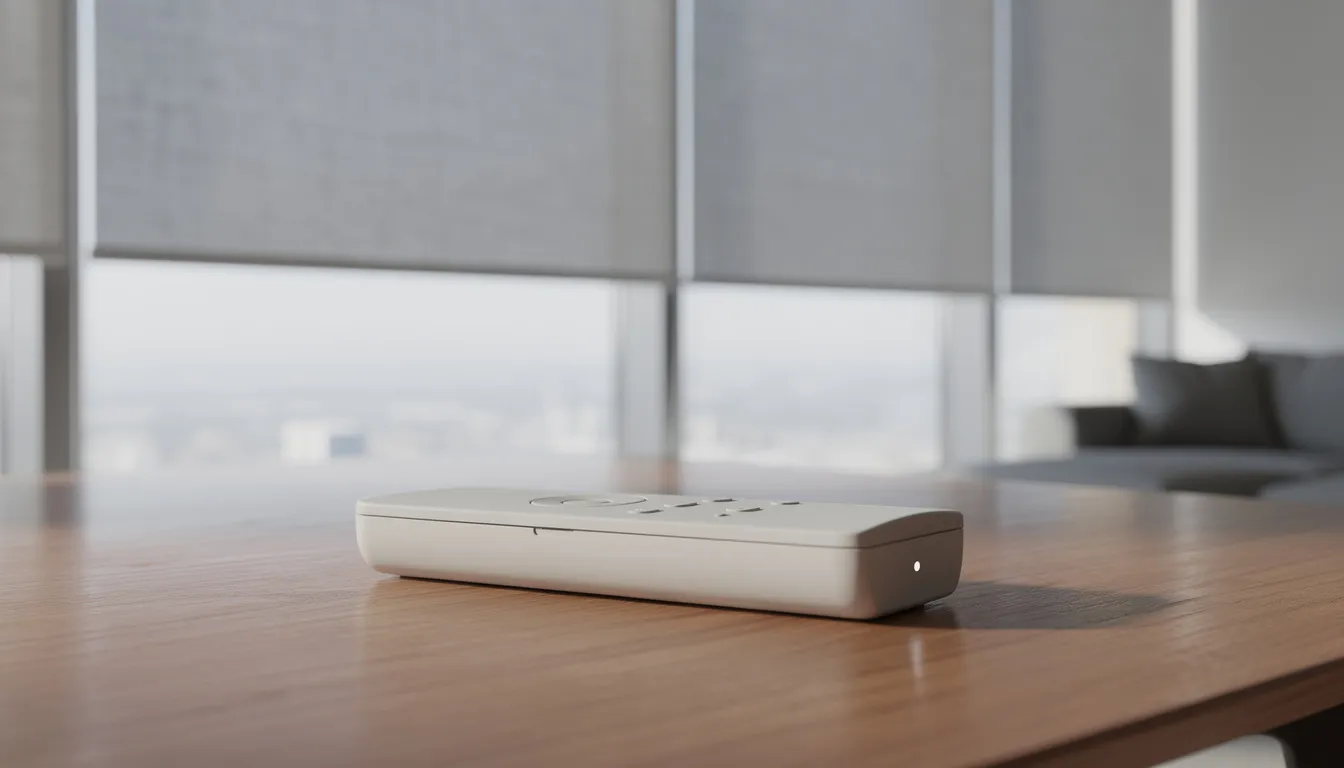
When gable end windows exceed 9–10 feet in height, motorization becomes the recommended choice. Operating high blinds manually is awkward at best and often impossible without a ladder. Motorized gable blinds respond to a wall switch, remote control, or app command, making daily glare control effortless in double-height living rooms, stairwells, and vaulted bedrooms. Motorized operation also eliminates visible cords and wires, creating a cleaner appearance on prominent gable windows.
World Wide Shades can support several power options for motorized gable blinds. Rechargeable battery motors require no hard wiring and are ideal for retrofit projects in existing homes. Low-voltage plug-in systems connect to nearby outlets for continuous power. Integration-ready 120V motors suit new construction where wiring can be planned during the framing stage.
Smart Home Integration
Motorized gable blinds can connect to home automation platforms including Alexa, Google Home, and common smart hubs via compatible control systems. Scheduled scenes—such as opening at sunrise, closing for afternoon sun protection, and lowering for night privacy—automate shade operation based on time of day or sensor input. Smart integration is particularly valuable for gable windows in rooms with multiple shading zones, allowing all blinds to function as a coordinated system.
Safety Considerations
Cordless and motorized gable blinds are recommended wherever children or pets are present. Eliminating dangling cords addresses current US child safety guidelines and removes a potential hazard from high-visibility windows where young children may play.
Planning & Measuring for Gable Window Blinds
Accurate planning and measuring are critical for gable blinds. Even a few degrees difference in angle—or a centimeter error in width—can result in light gaps, poor fit, or a shade that cannot operate smoothly along the window profile.
Key Decisions Before Ordering
Before measuring, decide whether the blinds will be inside mount (fitted within the window frame recess) or outside mount (covering the frame from the room side). Consider whether the gable window has any inward-opening doors, tilt-and-turn mechanisms, or awning sashes that could interfere with blind operation. Determine where the blinds should stack when open—at the head, along a structural beam, or at the base for bottom-up systems.
How to Measure a Gable or Apex Window
Measuring a triangular or apex gable window differs from measuring a standard rectangle. Begin by measuring the width at the base of the triangle. Then measure the width at one or more midpoints along the height to confirm the angle is consistent. Measure the total height from the base to the peak of the triangle. Use an angle finder or digital level to check the slope on each side—record these angles precisely. Finally, measure the depth of the window frame or recess if planning an inside mount installation.
For complex or very large gable ends—such as full glass walls 12–18 feet high installed in new builds after 2015—professional measurement is advisable. World Wide Shades can guide customers via phone consultation, video call, or downloadable PDF templates that simplify the measurement process for both homeowners and trade professionals.
Planning During Construction
If blackout or fully concealed blinds are desired, it is best to plan for recess pockets or pelmets during the framing stage. These recesses allow the shade and headrail to disappear behind trim or ceiling lines when the blind is fully retracted, achieving a clean architectural detail that is difficult to retrofit later.
Fabric Considerations for Mounting
Fabric density affects installation planning. True blackout fabrics typically require side channels and precise frame preparation to eliminate light leakage around the edges. Solar and light-filtering fabrics are more forgiving; they can work in standard mounts with small, acceptable light gaps that do not compromise function in most applications.
Design, Fabric Choices & Concealed Installations
Gable blinds must balance performance with aesthetics. Because gable windows are usually focal points in a room—often the first thing visitors notice—the shade design should complement rather than compete with the architecture.
Colour and Texture Selection
Selecting the right colour and texture starts with the surrounding interior. If the room has existing shades on standard rectangular windows, matching the gable blind fabric creates a cohesive look. Coordinate with trim colours, wall finishes, and furniture tones. Warmer neutrals suit traditional or rustic interiors; cooler greys and whites complement contemporary and minimalist spaces. World Wide Shades offers over 700 fabrics with a range of colours, textures, and weave structures, making it possible to match gable blinds precisely to other window shades in the same project.
Concealing Hardware
For a refined finish, consider concealing the headrail and mounting hardware. During new construction, headrails can be recessed into ceiling pockets or bulkheads so the shade appears to emerge from the architecture itself. In retrofit situations, slim fascia cassettes cover the headrail and rolling mechanism, providing a finished appearance. Colour-matching rails and brackets to window frames—especially on black, bronze, or white aluminum windows—ensures the hardware does not create a visual interruption.
Example: Concealed Blackout Gable Shades
A 2023 new-build mountain home featured floor-to-ceiling black window frames in the primary suite. The designers specified hidden blackout gable shades recessed into a bulkhead above the apex window. By day, the glass is completely unobstructed. By night, the shades lower from the concealed pocket to provide total darkness for sleep—an installation that achieves both stunning aesthetics and complete functionality.
Blackout, Light-Filtering & Solar Gable Blinds: Choosing the Right Performance Level
The best material for gable blinds depends on room function: sleeping, relaxing, working, or showcasing views.
Blackout Gable Blinds
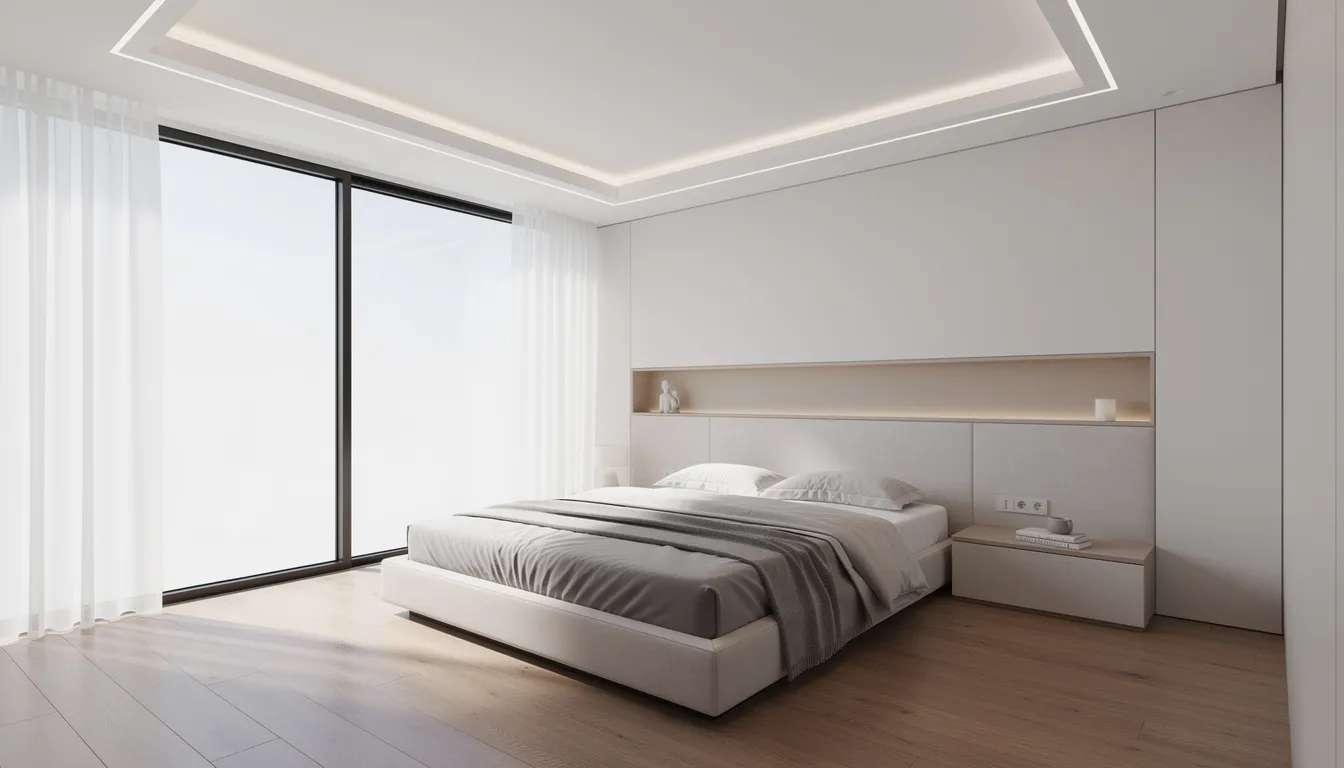
Blackout fabrics block 95–100% of incoming light and are designed for vaulted bedrooms, loft guest rooms, nurseries, and media or cinema rooms. Achieving near-total blackout on triangular shapes usually requires custom side channels that seal the fabric edges against the window frame, careful mounting surfaces, and true opaque materials. Without side channels, light can leak around the edges—acceptable for some homeowners but problematic for light-sensitive sleepers or dedicated home theaters.
Light-Filtering Gable Blinds
Light-filtering fabrics soften incoming daylight, reduce glare, and provide daytime privacy while allowing the room to remain bright. They are ideal for open-plan living rooms, dining areas, and home offices with gable glazing, where the goal is comfortable light without creating a dark or cave-like atmosphere. Light-filtering gable blinds work well in combination with blackout shades on other windows if full room darkening is needed occasionally.
Solar (Screen) Gable Blinds
Solar fabrics with 1–5% openness reduce heat and glare while preserving outward views during the day. They are the perfect solution for gable ends overlooking scenic landscapes, city skylines, or waterfront settings where the view is a priority. Solar gable blinds maintain visual connection to the outdoors while cutting direct sun intensity. Note that solar screens do not provide full privacy at night when interior lights are on—the weave that allows outward views also allows inward visibility after dark. For rooms requiring night privacy, consider pairing solar gable blinds with separate blackout or dim-out shades.
Trade-Offs to Consider
If a gable window is split by structural beams or mullions, blackout performance may require multiple separate blinds to cover each glass section. Solar screens excel at daytime comfort but are not suitable for bedrooms requiring darkness. Light-filtering fabrics offer a balanced middle ground but do not block as much heat as solar fabrics or as much light as blackout materials.
Gable Window Blinds for Different Spaces (Homes & Light Commercial)
Gable blinds serve a wide range of applications beyond typical residential living rooms. Understanding how different spaces use these windows helps identify the right blind configuration.
Residential Great Rooms
Two-story great rooms with full-height gable glazing—common in homes built after 2010—benefit from motorized solar or light-filtering gable blinds that control afternoon glare without darkening the entire space. These rooms often have multiple seating areas and media zones, so consistent shading across the entire glass wall is essential.
Loft Conversions
Older homes with loft conversions frequently add triangular gable end windows to bring natural light into previously dark attic spaces. Cellular gable blinds offer excellent insulation for these lofts, which can otherwise become uncomfortably hot in summer or cold in winter due to their position directly under the roof.
A-Frame Cabins and Mountain Homes
Lake and mountain A-frame cabins with full-height gable glass present some of the most dramatic shading challenges. Oversized triangular windows may span 15–20 feet, requiring multiple bespoke blinds working together. Solar gable blinds preserve the panoramic views that define these properties while managing heat gain and UV exposure.
Gable Clerestory Windows
Smaller gable windows in entryways, stairwells, and above doorways add architectural interest but can create unwanted glare or privacy concerns. Compact pleated or cellular blinds in these locations provide control without overwhelming the modest window size.
Light Commercial Spaces
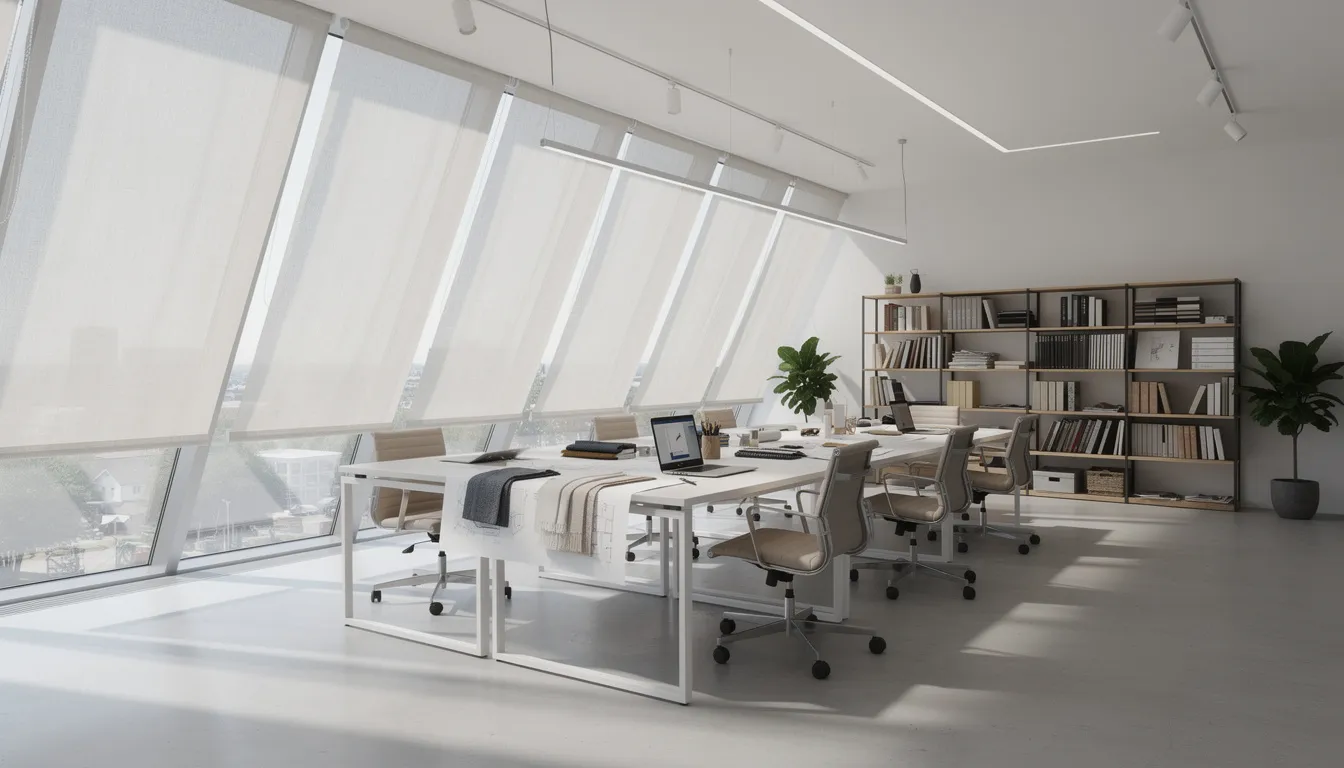
Design studios, boutique offices, small hotels, and restaurants increasingly feature gable end glazing as an architectural statement. Solar or dim-out gable blinds manage heat and glare for guests, staff, and clients while maintaining the open, airy aesthetic these spaces are designed to achieve. Motorized operation suits high-traffic commercial environments where consistent automated shading improves comfort and energy efficiency.
For architects and interior designers working on multi-window projects, World Wide Shades’ made-to-order approach allows matching gable blinds to standard roller or solar shades on lower windows in the same space—ensuring a unified material palette across the entire installation.
Why Choose World Wide Shades for Custom Gable Window Blinds?
World Wide Shades is a US-based specialist in custom window shades, including challenging unique window shapes like gable and apex windows. Every gable blind is handcrafted and made-to-order in the USA, using precise measurements and templates that match the exact angles of each window.
With over 700 fabric options spanning solar, light-filtering, and blackout materials, World Wide Shades enables homeowners and trade professionals to specify gable blinds that match other window shades in the same room. This consistency is valuable for open-plan spaces where gable and rectangular windows appear together. Many designer fabrics ship in under 7 business days, meeting tight project timelines for new construction and renovation work.
Free fabric swatches allow customers to test colour, texture, and opacity at home before committing to a final selection. Step-by-step measuring guidance—via phone, email, or downloadable resources—helps ensure accurate dimensions for even the most complex gable shapes. For trade professionals, World Wide Shades supports designers, architects, and contractors with specification assistance, advice on recess pockets and wiring for concealed installations, and coordination for multi-window projects.
If you are ready to explore custom gable window blinds for your home or project, start by ordering free swatches to find the right fabric. From there, World Wide Shades’ team can help you measure, specify, and manufacture gable blinds that fit your windows precisely—delivering both protection and style for one of the most distinctive features in any home.


