The short answer: you’re not just buying “a shade”
If you’ve ever searched for window shades online, you’ve seen the price spread: a low-cost shade from IKEA or Amazon might be under $50, while a custom shade can be several times that.
What explains the gap?
Most of the difference isn’t “markup.” It’s what happens before the shade ever ships: accurate sizing, better materials, safer lift options, cleaner light control, and a product that’s designed to fit your exact window instead of “close enough.”
This guide breaks down what you’re really paying for when you choose custom—so you can decide where it makes sense to save and where it makes sense to invest. If you want help translating your goals into the right product, start with the World Wide Shades builder to price a made-to-fit option in minutes.
Custom shades vs IKEA vs Amazon: what each option is best for
Before we go deep, here’s the honest positioning.
- Standard-size windows where “pretty close” fit is acceptable
- Quick, affordable updates in rentals
- Simple rooms where you don’t need perfect light blocking
If that’s your situation, also see our tips for renters in roller-shades-rental-apartment.
- Fast delivery and a huge selection of basic options
- DIY buyers who can evaluate listings, measurements, and reviews
- Temporary solutions or secondary spaces
- Odd sizes, large windows, or “almost standard” windows
- Bedrooms and nurseries where light control matters (compare with best-window-shades-bedroom)
- Homes where you want the shade to look built-in
- Households prioritizing safety, longevity, and support
If you’re shopping for a long-term solution, it’s worth checking what your home actually needs with World Wide Shades so you can feel materials and see colors in your lighting.
1) Fit and finish: the biggest difference is the measurement model
Most ready-made shades come in a limited set of widths and drops. You’ll either:
- pick the closest size and accept gaps, or
- trim/adjust the product (when possible), or
- change the mounting plan (inside vs outside) to hide the mismatch
Those compromises can be totally fine in a casual space. But they show up fast in bedrooms (light gaps), street-facing rooms (privacy gaps), and any window where symmetry matters.
If you’re not sure which mount type you need, read inside-mount-vs-outside-mount-shades.
Custom ordering flips the model: you give your exact measurements, choose inside/outside mount, and the shade is built to match.
That’s why custom shades often look “architectural.” The hem bar sits level, the roll aligns, and the shade width is consistent across a room.
Want to avoid measuring mistakes? Use the World Wide Shades builder and then cross-check with our step-by-step measuring guide: how-to-measure-windows-for-roller-shades.
2) Light control: small gaps create big frustration
When people say “my blackout shade isn’t blackout,” it’s often not the fabric—it’s the fit.
- side gaps from a too-narrow inside mount
- top gaps from brackets that push the roll forward
- bottom gaps from uneven sills
- light around doors (for this, see roller-shades-for-sliding-glass-doors)
Custom sizing reduces side gaps and lets you plan the mount for the best coverage. And when you pair it with the right fabric type, you can get truly strong performance.
For more on fabric choices, compare best-fabrics-roller-shades and our deep dive on darkness: best-fabric-blackout-shades.
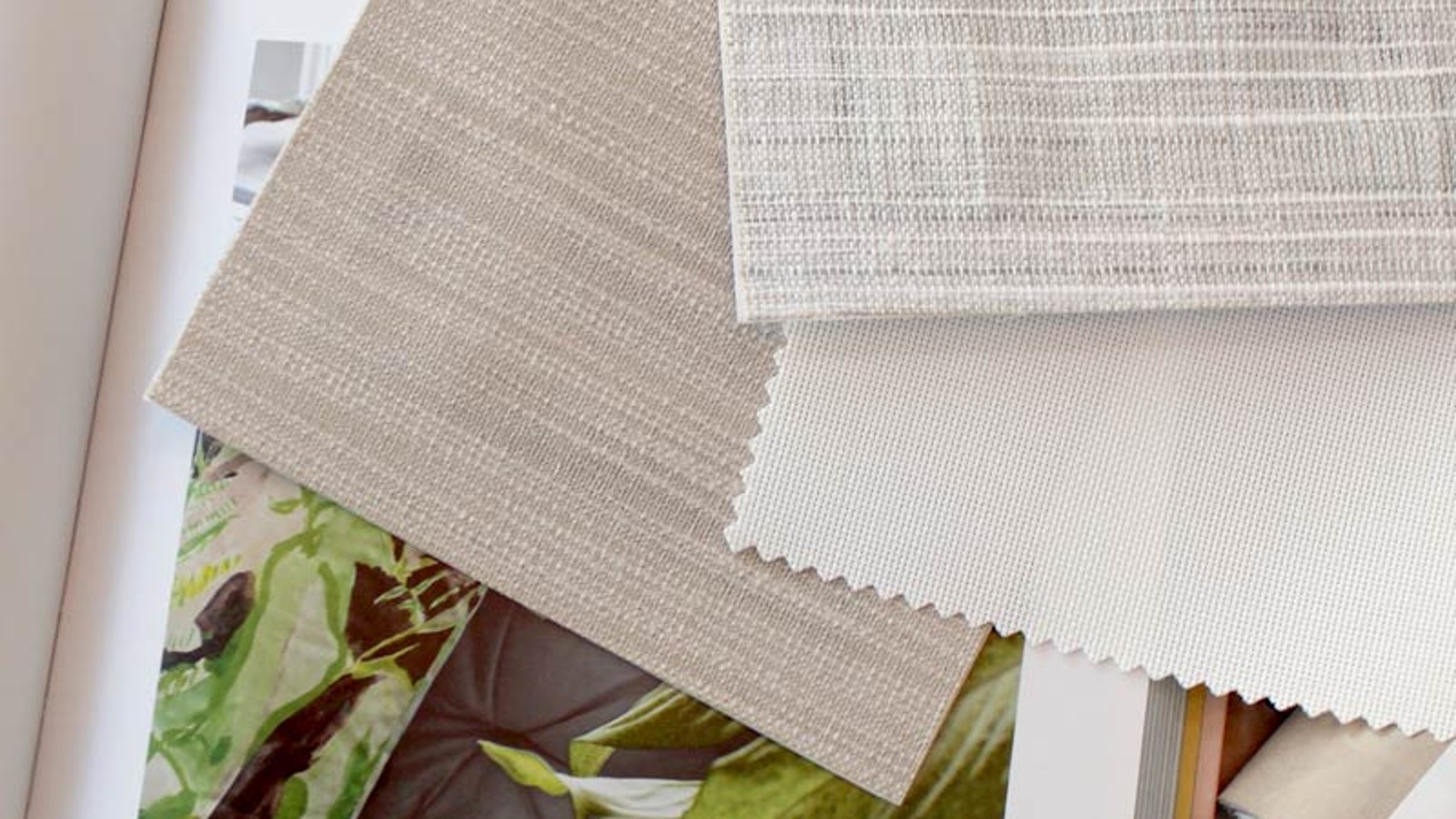
If you want help choosing fabric opacity, request samples via World Wide Shades before you buy.
3) Materials and hardware: what “cheap” usually means
Not every budget shade is low quality—but budget pricing has to come from somewhere.
- thinner fabrics that crease or curl over time
- lighter hem bars that don’t hang as straight
- lower-grade clutch mechanisms (or inconsistent cordless springs)
- less robust brackets (more flex, more noise)
If you’ve dealt with rattling, squeaking, or shades that don’t roll evenly, you’re experiencing hardware limits.
Custom products usually emphasize consistent roll, cleaner bottom hems, and sturdier brackets that hold up to daily use.
If you’re comparing longevity, this guide will help: how-long-do-roller-shades-last.
4) Safety: cordless options aren’t all the same
Many shoppers assume any new shade is “safe.” But the details matter—especially in homes with kids and pets.
- true cordless lift (not just “short cord”)
- tension and control that doesn’t snap upward
- secure mounting so kids can’t pull the hardware loose
For a practical safety overview, see child-safe-window-treatments.
If you want to prioritize safety without giving up style, start with World Wide Shades and filter for cordless-friendly configurations.
5) Energy performance: the right shade can reduce heat gain and drafts
Window treatments are one of the simplest ways to improve comfort.
If your goal is mild glare reduction, a standard light-filtering roller shade can help—especially on sunny exposures.
For glare and UV, compare uv-protection-window-shades and get a room-specific strategy in energy-efficient-window-shades.
Custom sizing can improve edge coverage, and upgraded fabrics can be better at managing light and heat.
If you care about measurable comfort improvements, read thermal-insulated-roller-shades and then build your configuration with World Wide Shades.
6) Aesthetics: “looks custom” is a real value
The window is often the biggest visual surface in a room.
Budget shades can look great—until you notice:
- uneven hems across multiple windows
- inconsistent widths in the same room
- visible gaps that make the installation look improvised
Custom shades are designed to be consistent across a set, which is why they’re popular in new builds and remodels.
If you’re planning construction or a major refresh, don’t miss custom-shades-new-construction.
7) Options and personalization: color, opacity, and controls
Here’s where IKEA/Amazon shopping can feel both exciting and overwhelming.
Amazon gives you variety, but the same opacity terms (“blackout,” “room darkening,” “privacy”) can be used loosely across different brands.
IKEA tends to keep decisions easier, but the trade-off is fewer fabric/texture options.
Custom buying typically means:
- clearer fabric opacity choices
- better consistency from swatch to final product
- more control options (cordless, motorized, etc.)
If you’re exploring smart control, see smart-home-motorized-shades-setup.
To make the decision less abstract, order swatches through World Wide Shades and test them in the morning and afternoon light.
8) Support and warranties: the hidden cost of “no one to call”
Off-the-shelf buying can become frustrating when something is slightly wrong:
- missing hardware
- a clutch that slips
- a cordless system that doesn’t retract evenly
Even if returns are technically easy, the real cost is your time.
With custom, you’re usually paying for a more guided experience and clearer accountability.
If you want a human to walk you through the best path for your windows, contact World Wide Shades at (844) 674-2716 or reach out through World Wide Shades.
Real-world price comparison: what buyers usually forget to include
A fair comparison includes more than the sticker price.
- extra trips for tools/hardware
- time spent troubleshooting measurements
- re-ordering the “almost right” size
- replacing a shade that fails early
If you’re buying for multiple windows, small headaches multiply fast.
To sanity-check total project pricing, build your order in World Wide Shades and compare that to buying 10–15 separate SKUs across marketplaces.
How to choose: a simple decision framework
- your windows are standard and you accept minor gaps
- you need a quick, budget-friendly solution
- you’re okay with fewer fabric/control options
- you’re comfortable evaluating specifications and reviews
- you want fast delivery and broad selection
- the room is lower stakes (guest room, laundry, basement)
If you’re updating a basement, this room guide may help: roller-shades-basement-windows.
- you want a clean, built-in look
- you need reliable light control
- you want better longevity per dollar over the life of the shade
- you prefer guided support
Start with the World Wide Shades builder and request World Wide Shades to confirm fabric and color before ordering.
FAQ: Custom shades vs IKEA vs Amazon
Not automatically—but custom ordering usually increases the odds you’ll get better fit, sturdier hardware, and more consistent fabrics.
They can improve perceived quality and “finished” look. If you’re curious about resale impact, read window-shades-increase-home-value.
Buying based on width alone without planning inside vs outside mount and without considering how much light gap they can tolerate.
Sometimes. If your windows are close to standard and you choose an outside mount with adequate overlap, you can get a tidy result.
If you have large windows, specialty shapes, or strict light control needs, it’s worth getting guidance.
Call World Wide Shades at (844) 674-2716 or message the team via World Wide Shades.
Next steps: get the right shade the first time
If you want fewer surprises and a shade that looks like it belongs in your home, custom is often the simpler path.
- Price your project in minutes: World Wide Shades
- Confirm color and texture: World Wide Shades
- Get help choosing the best setup: World Wide Shades