The Hidden Danger Most Parents Overlook
You have probably childproofed your outlets, locked your cabinets, and gated your stairs. But have you looked at your window treatments? Corded blinds and shades are one of the top five hidden hazards for young children in the home. The U.S. Consumer Product Safety Commission (CPSC) reports that corded window coverings have been involved in hundreds of child injuries and fatalities over the past three decades. On average, one child per month is seriously injured or killed by a window cord in the United States.
The danger is straightforward: loose cords, pull chains, and inner lift cords create strangulation and entanglement hazards for infants and toddlers. A child can become entangled in a looped cord in seconds, and it only takes a few pounds of pressure on a young child's neck to restrict breathing.
The solution is equally straightforward: switch to cordless window treatments. At World Wide Shades, every shade we sell is available in cordless operation, and we strongly recommend cordless systems for any home with children under 8 years old. This guide explains the specific hazards, walks through every cordless option available, and helps you choose the safest window treatments for your family.
Use our online shade builder to configure and price cordless roller shades for every window in your home — no cords, no chains, no risk.
Understanding the Cord Hazard
Not all cords are equally dangerous, but all accessible cords present some level of risk. Here are the specific hazard types:
The most visible hazard. Traditional roller shades use a beaded chain or continuous cord loop to raise and lower the shade. The loop hangs alongside the shade and is accessible to children who can reach the windowsill. If a child puts their head through the loop — which toddlers naturally do during exploratory play — the cord can tighten around their neck as they move or fall.
Found primarily in horizontal blinds and some Roman shades. These thin cords run through the slats or fabric folds and exit at the bottom of the window treatment. They may dangle or create loops between slats. Inner cords are especially dangerous because they are less obvious to parents — the hazard is not as visually apparent as a hanging chain.
Some window treatments route operating cords along the back of the shade, between the fabric and the window. While these are less accessible than front-mounted cords, children can still reach behind the shade and become entangled, particularly if the window treatment is mounted in front of a crib or bed.
Federal Safety Standards and Industry Changes
The window covering industry has undergone significant safety reform in recent years:
ANSI/WCMA A100.1-2018 (updated through 2025). This voluntary industry standard, which effectively became the baseline requirement for most U.S. retailers, mandates that all stock window coverings sold in the United States must be cordless or have inaccessible cords. Custom products are included under the standard's scope, though enforcement mechanisms differ.
Best for Kids certification. The Window Covering Manufacturers Association (WCMA) operates the Best for Kids program, which certifies products that meet the strictest child safety requirements. Products certified under this program have no accessible cords of any kind. When shopping for window treatments, look for the Best for Kids label.
CPSC recalls and enforcement. The CPSC has issued multiple recalls of corded window products and continues to advocate for mandatory cordless standards. While voluntary industry adoption has been strong, parents should verify that any window treatment they purchase meets the current ANSI/WCMA standard.
At World Wide Shades, all our products meet or exceed current safety standards, and we proactively recommend cordless options for every home with children. Contact World Wide Shades at (844) 674-2716 for a free child-safety consultation — we'll help you identify which windows to upgrade first and which cordless system fits your rooms best.
Cordless Shade Options for Every Window
Going cordless does not mean sacrificing style, light control, or functionality. Here are the primary cordless operating mechanisms available for roller shades and other window treatments:
The simplest cordless mechanism. A spring inside the roller tube provides tension. You lower the shade by pulling the bottom bar down gently, and it stays in place through friction. To raise it, give a slight tug and the spring retracts the shade upward.
Pros: No cords whatsoever, lowest cost cordless option, simple and reliable mechanism, very few moving parts to fail.
Cons: Less precise positioning than geared mechanisms — the shade may not stop at exact partial positions. Spring tension can weaken over 3 to 5 years on heavily used shades.
Price: Spring-loaded cordless operation typically adds $10 to $20 to the base shade price compared to a standard chain-operated shade.
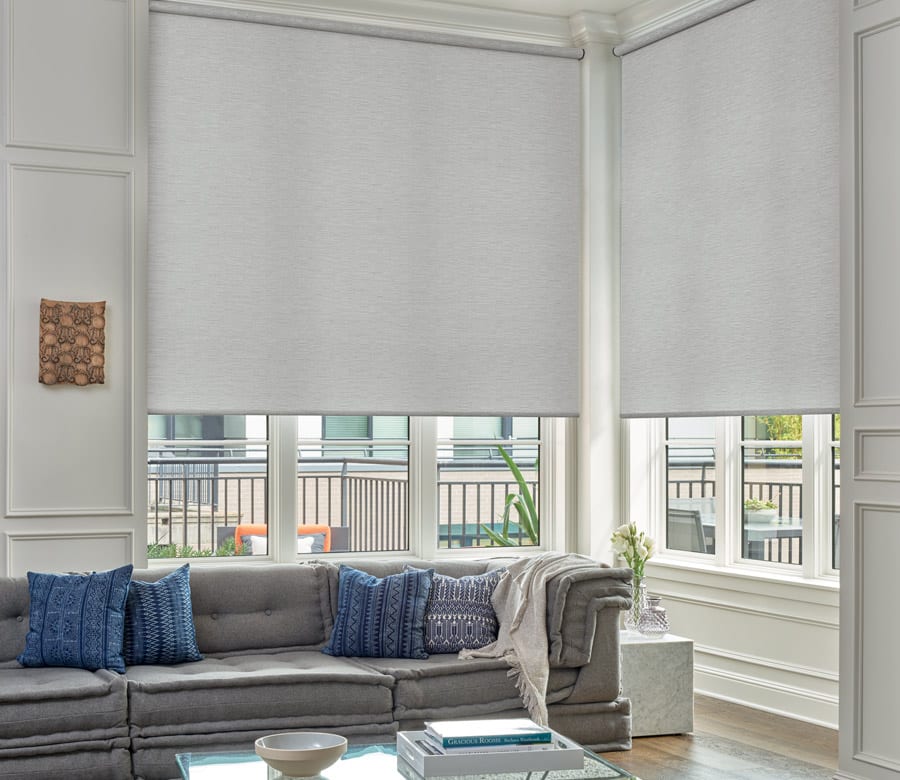
Best for: Nurseries, toddler bedrooms, playrooms — any room where children are most active. World Wide Shades offers spring-loaded cordless in every fabric and color in our catalog, including blackout options ideal for nurseries.
The premium cordless solution. A small motor inside the roller tube raises and lowers the shade via remote control, wall switch, smartphone app, or voice command. There are zero accessible cords or mechanisms — the shade is fully sealed.
Pros: Completely inaccessible mechanism, precise positioning, automation capability, remote and voice control, smart home integration.
Cons: Higher cost ($80 to $150 more per shade than manual cordless), battery models require periodic recharging (every 6 to 12 months), requires initial setup.
Price: Motorized custom roller shades from World Wide Shades start at approximately $150 to $250 per window for battery-powered models, depending on size and fabric.
Best for: Hard-to-reach windows, nurseries, any room where you want maximum convenience and safety combined. Browse free fabric swatches to find the right material for each motorized shade.
For cellular (honeycomb) and Roman shade styles, cordless lift replaces the traditional cord system with an internal spring or cord-lock mechanism. The shade is raised and lowered by hand using the bottom rail, with no exposed cords.
Pros: No accessible cords, available on energy-efficient cellular shades, smooth operation.
Cons: May require more force to operate on larger shades, internal cords (while inaccessible) can occasionally require servicing.
Best for: Bedrooms and living rooms where cellular shades are desired for energy efficiency and insulation.
Some shades and blinds use a rigid plastic or metal wand (typically 12 to 24 inches long) instead of a cord to tilt slats or operate the shade. While not technically "cordless," wand mechanisms eliminate the strangulation hazard because the wand is rigid — it cannot form a loop around a child's neck.
Pros: Eliminates strangulation risk, intuitive operation, no battery or motor needed.
Cons: The wand protrudes from the shade and may be pulled or bent by curious children. Not available for all shade types.
Best for: Venetian blinds and vertical blinds where a tilting function is needed.
Room-by-Room Safety Guide
This is the highest-priority room for child-safe window treatments. Babies spend unsupervised time in cribs, and as they grow, toddlers climb and explore.
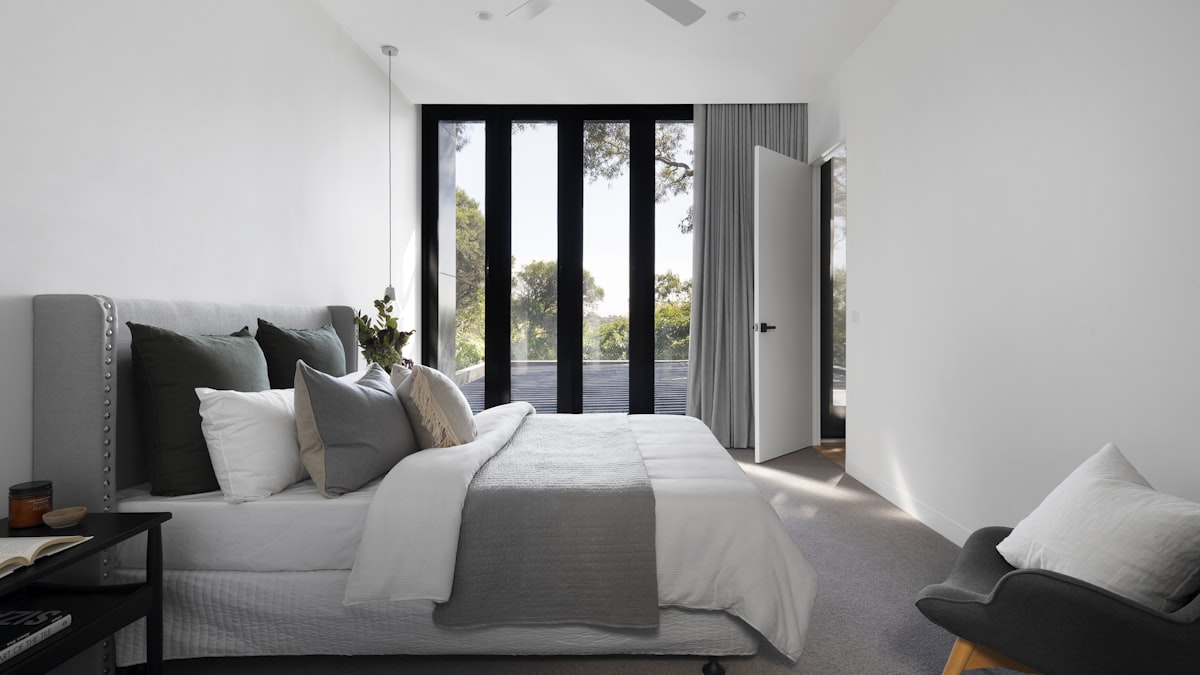
Recommendation: Cordless blackout roller shade or motorized blackout roller shade. Position the crib at least 3 feet from any window. Choose a shade with no accessible components — no chains, no cords, no dangling bottom bar tassels. World Wide Shades fabricates cordless blackout roller shades in every size, including custom widths for nursery alcove windows.
Additional safety step: Secure the shade's bottom bar with hold-down brackets if the shade is near the crib. This prevents a child from pulling the shade away from the window and getting behind it.
For guidance on choosing the right fabric opacity and light-blocking level for a nursery, see our guide to best window shades for bedrooms — it covers sleep science and blackout performance in detail.
As children grow, they become more mobile and curious. A 3-year-old can climb onto a bed positioned near a window and reach the shade mechanism.
Recommendation: Cordless spring-loaded or motorized roller shade. Avoid any shade with a chain or cord, even with a chain tensioner — tensioners reduce the hazard but do not eliminate it. World Wide Shades can help you select the right cordless mechanism for each room based on window height and your child's age.
Children are most active and least supervised (momentarily) in playrooms. Running, jumping, and climbing increase the risk of cord entanglement.
Recommendation: Motorized shades (controlled by a wall switch out of children's reach) or spring-loaded cordless shades. Ensure the bottom bar of any shade is above the reach of the tallest child when the shade is fully lowered. For smart home integration of playroom motorized shades, see our smart home motorized shades setup guide.
These shared spaces see the most traffic and may have windows at various heights.
Recommendation: Cordless roller shades or motorized shades on all windows that children can access. For high windows that children cannot reach (above 6 feet from the floor), corded operation is less of a safety concern, but cordless is still preferred for consistency. World Wide Shades offers cordless options in light-filtering fabrics that work beautifully in living spaces while keeping every window safe.
What About Cord Cleats and Chain Tensioners?
Cord cleats (hooks that wrap excess cord out of reach) and chain tensioners (brackets that hold the chain taut against the wall) are aftermarket safety devices designed to reduce cord hazards on existing corded treatments. While they are better than nothing, they have significant limitations:
- They require consistent use. A cord cleat only works if the cord is wrapped around it every single time the shade is adjusted. One forgotten wrap-up leaves the cord accessible.
- Children can unwrap them. Older toddlers and preschoolers are surprisingly adept at unwinding cord from cleats.
- They do not address inner cords. Cleats and tensioners only manage external cords. Internal lift cords in blinds remain a hazard.
- They degrade over time. Adhesive-mounted tensioners can pull away from the wall. Screw-mounted cleats can loosen.
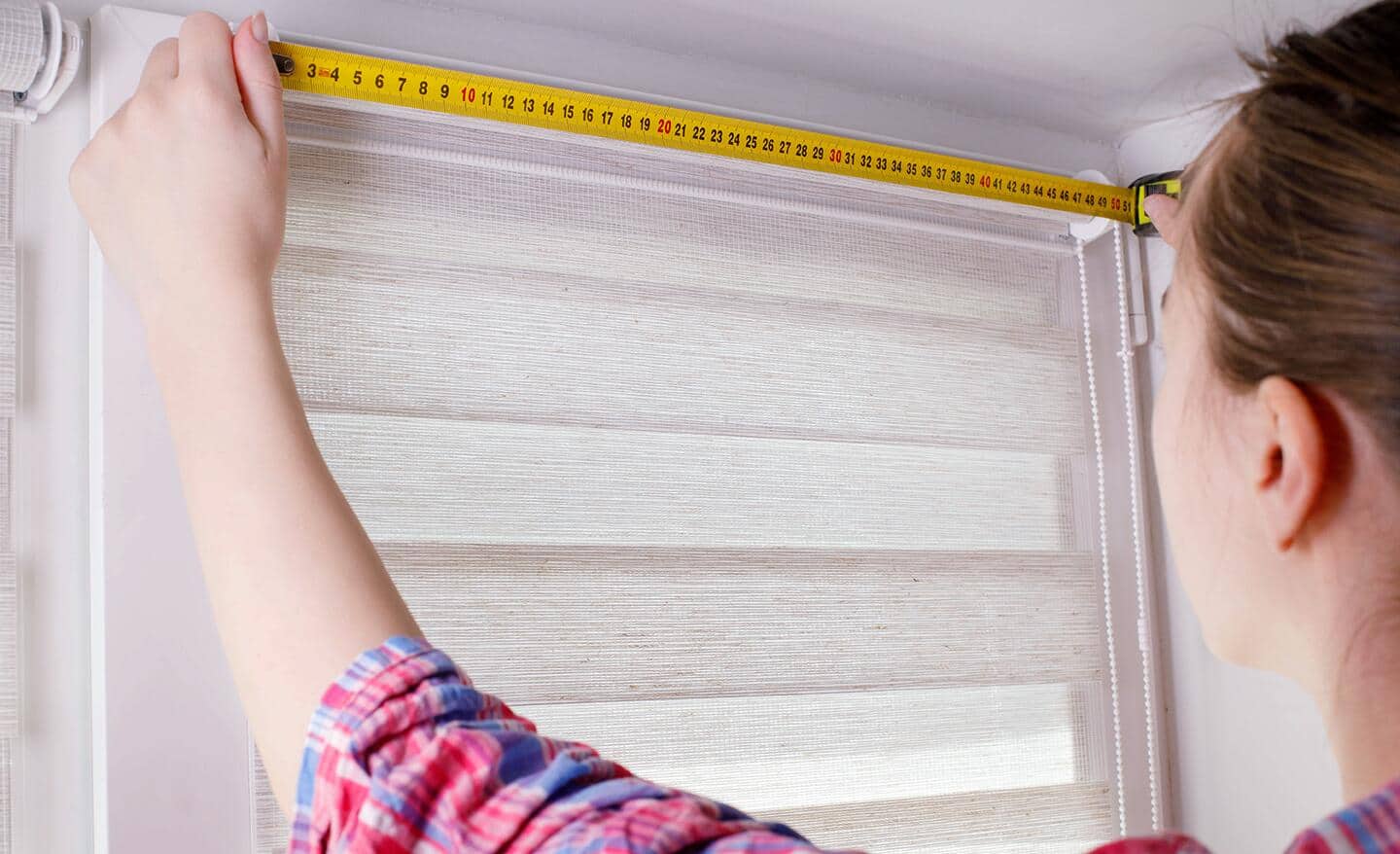
The CPSC and WCMA both state that cord cleats and tensioners are temporary measures, not permanent solutions. The permanent solution is replacing corded treatments with cordless alternatives. World Wide Shades makes that replacement simple — configure cordless shades to your exact window measurements in minutes.
How to Audit Your Home for Cord Hazards
Walk through your home with this checklist:
- Check every window treatment. Lower each shade or blind fully and look for any accessible cords, chains, or loops.
- Measure cord reach. Can a child standing on furniture near the window reach any cord? If yes, that cord is a hazard.
- Check behind shades. Look for rear-mounted cords that may not be visible from the front.
- Test cord tension. Pull on any cord or chain. If it creates a loop that could fit around a child's head (a loop of 6 inches or more), it is a strangulation hazard.
- Inspect cord stops. Some cords have breakaway connectors designed to separate under pressure. Test these — if they do not release easily, they are not functioning as intended.
If any window treatment in your home fails this audit, replace it with a cordless alternative. Do not wait — the risk is immediate and the solution is straightforward.
Cost of Switching to Cordless
Replacing corded window treatments with cordless options is more affordable than most parents expect:
- Cordless spring-loaded roller shade: $55 to $120 per window, depending on size and fabric.
- Cordless cellular shade: $70 to $160 per window.
- Motorized roller shade: $150 to $300 per window.
- Whole-home upgrade (10 windows, mix of cordless spring and motorized): Approximately $800 to $1,800.
Compare that to the cost of a single emergency room visit — or the incalculable cost of a preventable tragedy. Every penny spent on cordless window treatments is an investment in your child's safety.
At World Wide Shades, we offer competitive pricing on all cordless options, and we are happy to help you prioritize which windows to upgrade first based on your budget and your children's activity patterns. Contact World Wide Shades at (844) 674-2716 for a free safety consultation.
For kitchens and bathrooms where moisture-resistant materials also matter, see our guide to roller shades for kitchens and bathrooms — it covers cordless options that also handle humidity and steam. And if you're outfitting a rental and want to avoid permanent hardware, see our guide to roller shades for rental apartments for renter-friendly cordless installation approaches.
Frequently Asked Questions
The CPSC recommends cordless window treatments in homes with children under 8 years old. However, many families choose to stay cordless permanently because of the convenience and cleaner aesthetic. By the time children outgrow the safety concern, parents have usually grown to prefer the cordless experience. World Wide Shades offers cordless options for every window type — there is no functional reason to return to cords.
Not at all. Cordless spring-loaded shades operate with a simple pull-down and push-up motion. Motorized shades operate with a button press, voice command, or app tap. Most users find cordless shades easier and more intuitive than cord-and-chain systems.
Motorized roller shades from reputable manufacturers have no removable small parts accessible to children. The motor is sealed inside the roller tube, and the remote control (if included) uses a battery compartment with a child-resistant screw closure. Keep remotes out of reach of very young children as a precaution, or use wall-mounted switches instead. World Wide Shades supplies motorized shades with wall switch kits as an alternative to handheld remotes.
In most cases, no. Converting a corded roller shade to cordless requires replacing the entire roller mechanism and often the mounting brackets. It is more cost-effective and safer to replace the shade entirely with a purpose-built cordless model. World Wide Shades can fabricate a cordless replacement that matches your existing fabric color and window dimensions. Call (844) 674-2716 and our team can match your current fabric or help you find an upgrade.
The safest option is a motorized blackout roller shade mounted at the ceiling, with the motor controlled by a wall switch positioned out of reach. This eliminates every accessible element — no cord, no chain, no dangling bottom bar at a reachable height. World Wide Shades fabricates motorized blackout shades in sizes to fit standard and custom nursery windows. See our guide to best window shades for bedrooms for more on blackout performance in sleeping spaces.
Protect Your Family Today
Every window with a corded treatment is a window with a preventable hazard. Cordless roller shades, cellular shades, and motorized options eliminate the danger completely while delivering the same light control, privacy, and style you expect from quality window treatments.
Start by auditing your home using the checklist above. Then configure cordless replacements in the World Wide Shades online builder, browse fabric and color options, or reach out to our team for a free child-safety consultation. We will help you prioritize upgrades and find the right cordless solution for every window in your home. Call (844) 674-2716 — World Wide Shades is here to make every window in your home safe for your family.